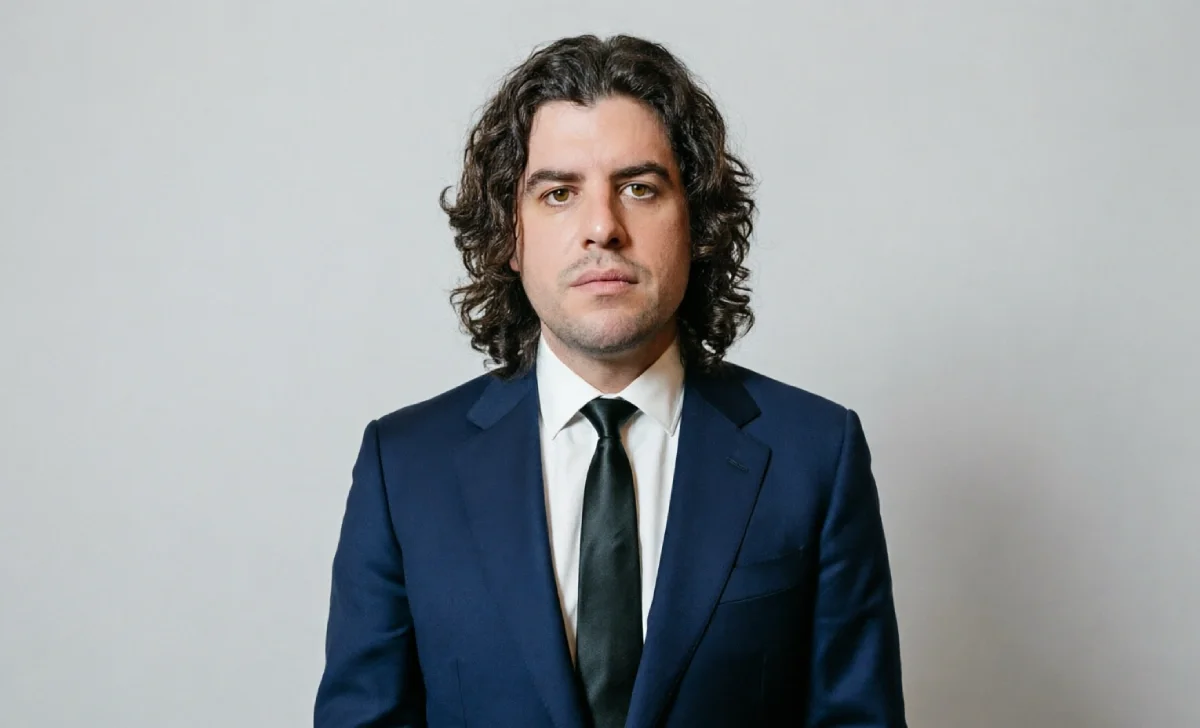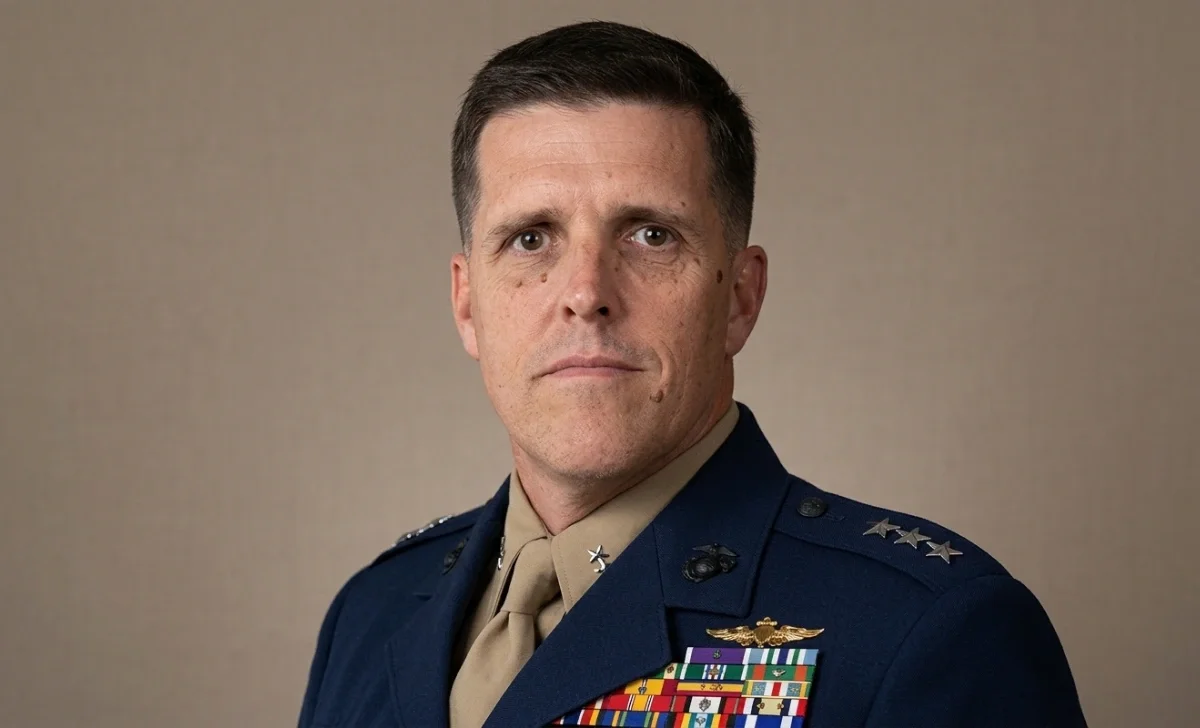
When you spend decades in cybersecurity leadership, you quickly learn that the job isn't really about firewalls or encryption protocols. It's about people, preparation, and the kind of quiet confidence that only comes from knowing you've done the work. Colonel Brian Timothy's career reflects exactly that kind of grounded leadership.
From his early days in military service to his current role directing the Georgia Cyber Centre, Timothy has shown that effective cyber defence takes more than technical knowledge. It takes vision, the ability to adapt fast, and a genuine commitment to building the next generation of defenders. Let's work through what makes his approach stand out — and what others in cybersecurity can learn from it.
Who Is Colonel Brian Timothy?
Colonel Brian Timothy is the Director of the Georgia Cyber Centre. He's a military veteran who served in the Georgia Army National Guard as a Field Artillery Officer — a background that gave him a solid foundation in strategic thinking, coordinating complex operations under pressure, and leading teams through uncertainty.
His path into cybersecurity leadership didn't follow a straight line. He attended the Naval War College, where he earned a Master of Arts in National Security and Strategic Studies. He also graduated from the United States Army War College, the institution where the Army develops its most senior leaders. By the time he transitioned out of active military service, Timothy had built something uncommon: a career that bridged the gap between tactical military operations and the increasingly digital battlefield of modern security.
Colonel Brian Timothy — Quick Facts
|
Full Name |
Colonel Brian Timothy |
|
Profession |
Military Veteran / Cybersecurity Leader |
|
Current Role |
Director, Georgia Cyber Centre |
|
Military Branch |
Georgia Army National Guard |
|
Military Role |
Field Artillery Officer |
|
Education |
Naval War College (MA, National Security & Strategic Studies); U.S. Army War College |
|
Key Contribution |
Built the Georgia Cyber Centre from the ground up |
|
Notable Programs |
Cyber Warrior Academy, Innovation Centre |
|
Approach |
Public-private partnerships, collaboration, mentorship |
|
Location |
Augusta, Georgia |
From Military Service to Cyber Leadership
Colonel Brian Timothy's move into cybersecurity makes a lot of sense when you trace the skills back to their roots. Military training teaches you to think strategically under pressure, manage competing priorities, and lead teams through difficult situations. Those aren't soft skills — they're precisely what cybersecurity leadership demands.
His decision to attend the Naval War College wasn't just a credential check. It was a deliberate pivot toward understanding how national security and technology intersect. The same goes for the Army War College — these institutions don't produce administrators. They produce senior leaders capable of thinking through complex, high-stakes problems.
Cybersecurity leadership shares a lot in common with profiles in professional leadership more broadly — which is why understanding the background of figures like Rachel Marsh can offer useful context for how careers are shaped by consistent, purposeful decisions over time.
Building the Georgia Cyber Centre
Starting From Scratch
In 2016, Colonel Brian Timothy was selected to lead the development of the Georgia Cyber Centre. Let's pause on what that actually meant.
At that point, the centre didn't exist. No building. No staff. No established programs. Just an idea and a state commitment to build something the Southeast didn't have yet. Timothy had to build an organisation from the ground up while simultaneously overseeing the construction of its physical home. The centre opened in 2018, and it was immediately clear this wasn't a standard government facility.
Augusta, Georgia, wasn't a random choice for this kind of institution. Fort Gordon (now Fort Eisenhower) sits right there — one of the U.S. Army's major cyber hubs. Timothy understood the strategic geography and built the centre in a location where military, academic, and private-sector relationships could actually develop into something real and operational.
Building a Collaborative Cyber Community
One of Timothy's clearest contributions to cybersecurity leadership has been his insistence on breaking down silos. In the security world, organisations often operate independently, share information reluctantly, and treat collaboration as an afterthought. Timothy took a different approach from the start.
Under his leadership, the Georgia Cyber Centre became a working hub where agencies like the Georgia Bureau of Investigation, the Georgia Technology Authority, and the Georgia National Guard could operate alongside academic researchers and private sector partners. This wasn't symbolic. It created genuine operational advantages — threat intelligence moved more freely, incident responses became better coordinated, and the region built a stronger overall security posture. For anyone curious about how leaders in adjacent fields build sustainable networks of influence, the profile of Ella Bright offers an interesting parallel in how professional credibility is built through consistent relationship work rather than title alone.
In practice, making this kind of collaboration work is harder than it sounds. Organisations bring different cultures, different priorities, and different levels of trust to the table. Timothy's ability to navigate those differences says a lot about his leadership style — relationships over hierarchy, results over politics.
Innovation and Strategic Vision
The Innovation Centre and Cyber Warrior Academy
If collaboration was the foundation Timothy built on, innovation was the engine he used to keep things moving.
He led the creation of the Innovation Centre, a space within the Cyber Centre specifically designed to support early-stage cyber companies. This wasn't purely about economic development, though that mattered. The Innovation Centre also creates a talent pipeline, connecting emerging companies with graduates from the centre's training programmes.
Then there's the Cyber Warrior Academy — an intensive training programme designed to accelerate cybersecurity talent development. It's aimed at people looking to enter the field or move their careers forward quickly, providing focused, practical training rather than years of prerequisite coursework.
Some critics argue these accelerated programmes can't replace the depth of a four-year degree, and there's truth to that. A cybersecurity professional needs more than technical skills — they need to understand risk management, ethics, and how organisations actually work. But the Cyber Warrior Academy isn't trying to replace university education. It's solving a different problem: getting qualified people into the workforce while they continue building broader competencies over time.
Public-Private Partnerships
Public-private partnerships sound like a policy talking point until you see one that actually functions. At the Georgia Cyber Centre, they're the core operating model — not an experiment.
Timothy recognised early on that neither government nor the private sector could solve the cybersecurity problem alone. Government brings regulatory authority and mission clarity. The private sector brings technical speed and resources. By creating a physical space where both could work together, he built a model that other states and regions are now looking to replicate. Over the next few years, that replication will likely accelerate as organisations recognise that cybersecurity threats don't stop at organisational or sector boundaries.
Leadership Lessons from Colonel Brian Timothy
Resilience and Long-Term Thinking
One thing that consistently stands out about Timothy's approach is his focus on resilience — not just in technical systems, but in people.
Cybersecurity is a high-pressure discipline. The stakes are real, threats are constant, and the work doesn't really have an off switch. Burnout is a genuine risk in this field. Timothy has emphasised building cyber professionals who can sustain their performance over time, not just firefight individual crises when they arise.
That's a contrarian position in some circles. The industry often celebrates the analyst who stays up all night stopping an attack. But that isn't a sustainable model. The real goal is building systems and cultures where people stay effective and engaged over years, not just heroic in the moment.
Mentorship and Developing the Next Generation
Colonel Brian Timothy's commitment to developing people is visible throughout everything he's built. He didn't just construct a facility and hand it over to administrators. He created specific programmes — from the Cyber Warrior Academy to university partnerships — that are designed to shape what the industry looks like a decade from now. The same principle applies across leadership fields, which is worth keeping in mind when studying the career trajectories of public figures like Kerris Dorsey — where long-term development and early investment in craft tend to define the trajectory.
That kind of investment in people matters more than most leaders realise. The cybersecurity field is still relatively young, and the next generation of leaders is still being shaped. Leaders like Timothy are making decisions today that will define what the profession looks like ten years from now — through the people they develop and the professional cultures they build.
Challenges and What Overcoming Them Looks Like
It's easy to look at a completed institution and see only the outcome. What's harder to see is the work that went into getting there.
Building the Georgia Cyber Centre from scratch meant coordinating multiple government agencies, managing a construction project, building a programme portfolio, and recruiting staff — all simultaneously. Government bureaucracy rarely moves at the speed a project like this demands. Timothy had to navigate funding cycles, inter-agency politics, and shifting priorities while keeping the core vision intact.
That kind of sustained execution over years, without the visible milestones that make external progress easy to track, is genuinely difficult. It requires the patience to work within slow-moving systems while still driving things forward.
Why Cyber Leadership Matters More Than Ever
Colonel Brian Timothy's career arc also reflects a much bigger shift in how national security works. Cyber warfare has become one of the most consequential arenas of modern conflict — and that's not an overstatement.
Critical infrastructure — energy grids, communications networks, transport systems, financial institutions, defence platforms — all runs on digital systems now. As adversaries continue developing their own cyber capabilities, the military and civilian leaders responsible for defending those systems carry increasingly heavy strategic weight.
That pressure will only grow over the next few years. The demand for experienced cybersecurity leaders who can think strategically while staying technically sharp is intensifying across every sector. The skills Timothy has built and the model he has developed are not niche. They're pointing toward where the whole field is heading.
What Comes Next
The Georgia Cyber Centre continues to grow, and the threats it's designed to address aren't getting simpler. AI-assisted attacks, vulnerabilities in critical infrastructure, and a persistent global shortage of skilled cyber professionals are all pushing institutions like the centre to keep adapting.
Timothy's forward-looking approach — building public-private partnerships, creating accessible training pathways, and staying connected to emerging technologies — positions the Georgia Cyber Centre to keep pace with a threat environment that changes faster than most organisations can track.
Conclusion
Colonel Brian Timothy's journey tells a clear story about what cybersecurity leadership actually looks like in practice. It's not about having the best tools. It's about building the right people, the right partnerships, and the right culture — and then sustaining all of that over time.
He built the Georgia Cyber Centre from nothing into a regional model for how government, academia, and the private sector can work together on security. He created training programmes that move people into the workforce faster. And he's helped establish Augusta, Georgia, as a genuine hub for cybersecurity work in the Southeast.
His story is worth paying attention to — not just for what it says about one officer's career, but for what it shows about where cybersecurity leadership is going in a world that's more digital, and more vulnerable, than ever.
Frequently Asked Questions
Who is Colonel Brian Timothy?
Colonel Brian Timothy is the Director of the Georgia Cyber Centre in Augusta, Georgia. He is a retired military officer who served in the Georgia Army National Guard as a Field Artillery Officer and later transitioned into cybersecurity leadership. He led the development and opening of the Georgia Cyber Centre starting in 2016.
How did Colonel Brian Timothy contribute to cybersecurity?
He played a central role in creating the Georgia Cyber Centre, developed the Cyber Warrior Academy, and established the Innovation Centre. His leadership built a working model of public-private partnership for cybersecurity that other regions are now looking to replicate.
What is the Georgia Cyber Centre?
The Georgia Cyber Centre is a facility in Augusta, Georgia, that brings together government agencies, academic institutions, and private sector partners to collaborate on cybersecurity. It includes training programmes, research facilities, and resources for early-stage cyber companies.
What is the Cyber Warrior Academy?
The Cyber Warrior Academy is an intensive training programme designed to accelerate entry into the cybersecurity field. It provides focused, practical skills training for people looking to start or advance cybersecurity careers without a multi-year academic track.
Why is Colonel Brian Timothy's leadership important?
His work demonstrates that cybersecurity success depends on more than technology. Effective leadership, strong cross-sector relationships, and long-term investment in developing people are what make the difference. The Georgia Cyber Centre model is being studied by other states as a template for regional cybersecurity infrastructure.
How did Colonel Brian Timothy's military background shape his cybersecurity approach?
Military service teaches strategic thinking, coordinating complex operations, and leading teams under pressure. Those same skills apply directly to cyber defence. His time at the Naval War College and Army War College deepened his understanding of how security and technology intersect at a national level.
Disclaimer: This article is produced for informational purposes only. Details are based on publicly available information and may not reflect the most current status of programmes or roles mentioned. Readers should verify specifics directly with the Georgia Cyber Centre or relevant official sources.