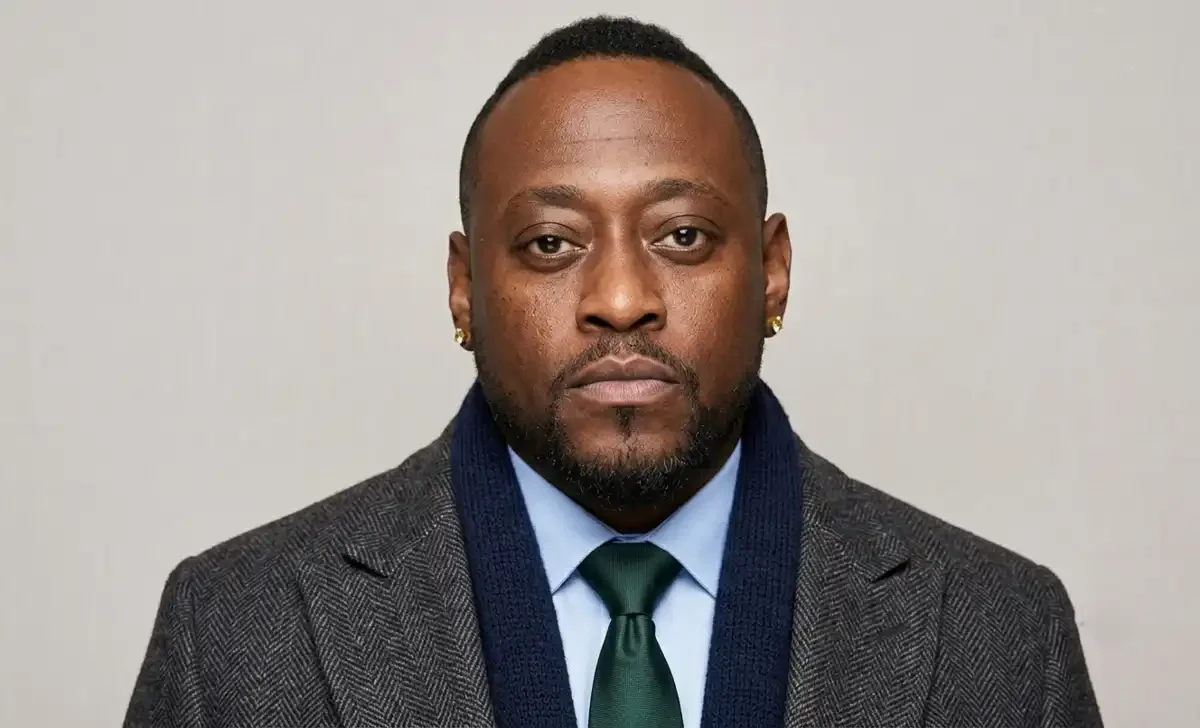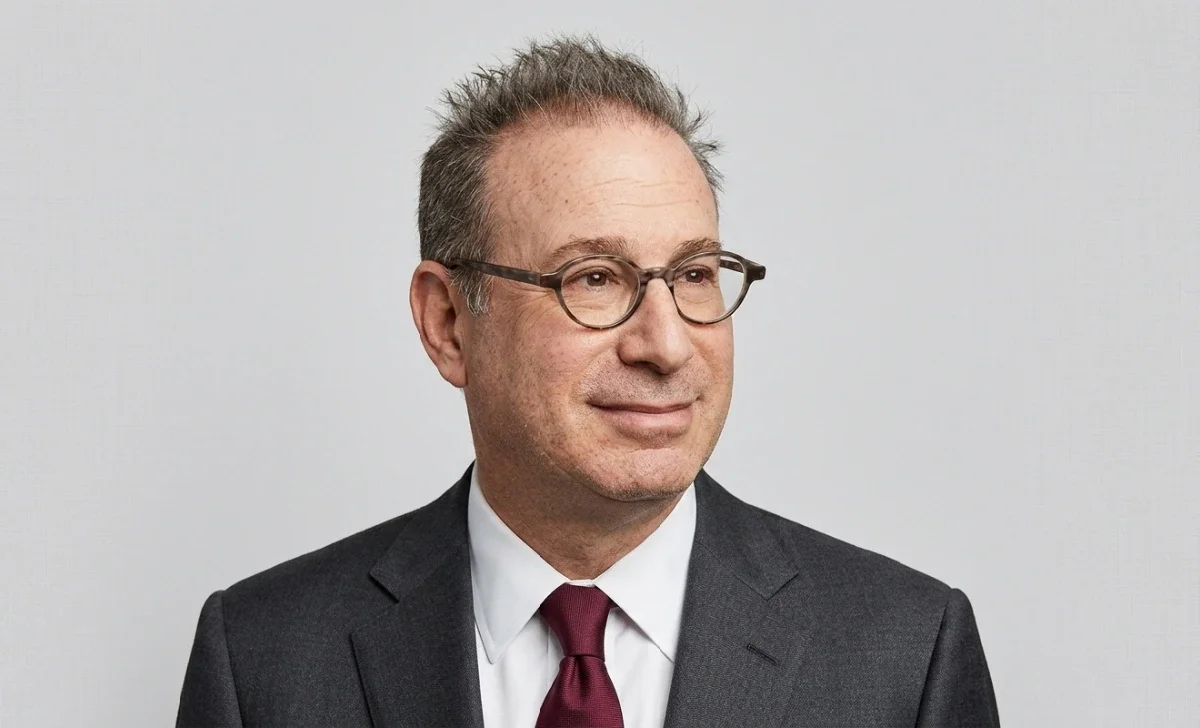
The story behind Michael D. Rosberg's work to improve treatment and reduce mental health stigma.
Michael D. Rosberg, PhD, is a clinical psychologist and licensed marriage and family therapist based in Los Angeles, California. For more than four decades, his work has centred on people living with severe mental illnesses — particularly schizophrenia, schizoaffective disorder, and other chronic psychiatric conditions that many providers shy away from. Through clinical leadership, public advocacy, professional education, and an unexpected photography project, Rosberg has carved out a distinctive role in the mental health field.
Facts About Michael D. Rosberg
|
Full Name |
Michael D. Rosberg, PhD. |
|
Profession |
Clinical Psychologist and Licensed Marriage & Family Therapist |
|
Location |
Los Angeles, California, United States |
|
Specialty |
Schizophrenia, Schizoaffective Disorder, and Severe Mental Illness Treatment |
|
Years of Experience |
More than 40 Years |
|
Career Start |
Began treating treatment-resistant mental illness patients in 1979 |
|
Current Role |
Co-owner and Director of ASC Treatment Group |
|
Former Organisation Name |
Anne Sippi Clinic |
|
License |
Licensed Clinical Psychologist and Marriage & Family Therapist in California |
|
Mental Health Advocacy |
Contributed to California Assembly Bill 1425 in 2002 |
|
Clinical Focus |
Evidence-Based Psychotherapy for Chronic Mental Illness |
|
Professional Activities |
Speaker, Trainer, Consultant, and Mental Health Educator |
|
Conference Participation |
NAMI Events and International Schizophrenia Symposiums |
|
Public Education Work |
Contributor to PsychAlive mental health awareness articles |
|
Photography Project |
Seeing Schizophrenia (2023) |
|
Goal of Photography Work |
Reduce stigma surrounding severe mental illness |
|
Private Practice |
Psychological Corporation |
|
Areas Served |
Los Angeles County and Kern County, California |
|
Known For |
Leadership in Severe Mental Illness Treatment and Mental Health Advocacy |
|
Status (2026) |
Active in Clinical Practice, Administration, and Public Education |
Educational Background
Rosberg holds a doctoral degree in psychology and is licensed in California as both a clinical psychologist and a marriage and family therapist. Those credentials became the foundation for a career focused on severe and persistent mental illnesses — the kind of conditions that don't respond neatly to standard treatment plans and that many clinicians find daunting.
Over the years, he's built deep expertise working with patients whose illnesses are often labelled treatment-resistant. To be clear, treatment-resistant mental illness doesn't mean the person can't improve — it means their condition hasn't responded to the first or second round of standard approaches. These are the cases that take the most patience, creativity, and persistence. That's exactly the territory Rosberg chose to work in.
Building a Career in Mental Health Care
Rosberg started working with severely mentally ill patients back in 1979. To put that in perspective: public understanding of schizophrenia was far more limited then, and treatment resources were considerably thinner than what exists today. He chose to focus on some of the most complex cases in the field — and stayed there.
His clinical experience spans both inpatient and outpatient settings, which gives him an unusually wide vantage point. He's seen what works in a locked psychiatric unit and what works in a community-based program, and he's spent decades trying to bridge the gap between the two. Alongside direct patient care, Rosberg has held leadership roles at mental health organisations across Los Angeles and Kern County. Those positions let him shape treatment programs, train other clinicians, and push for better services for people with serious psychiatric conditions. Professionals working in related high-stakes fields — like Shiven Jain, who navigated demanding professional environments — understand that sustained commitment to a speciality is what builds real depth.
Leadership at ASC Treatment Group
One of the defining chapters of Rosberg's career is his work with ASC Treatment Group, formerly known as the Anne Sippi Clinic. The organisation provides residential and outpatient services for people with chronic mental illnesses, especially schizophrenia and related disorders. In 2014, Rosberg became co-owner and director — a move that deepened his involvement in both the clinical and administrative sides of mental health care.
Under its leadership team, ASC Treatment Group has continued to develop specialised programs for people who often fall through the cracks of the broader treatment system. The model pairs clinical interventions with supportive services aimed at helping clients build toward greater independence and stability.
What stands out about Rosberg's leadership is a consistent belief that meaningful progress is possible even for patients facing the most severe and persistent psychiatric challenges. That's not a popular position in a field where providers sometimes write off difficult cases. But it's been a throughline of his career.
Contributions to Mental Health Policy
Rosberg hasn't limited his work to the treatment room. He's also stepped into the policy arena when the opportunity arose.
In 2002, he contributed clinical expertise to the development of California Assembly Bill 1425 — a piece of legislation focused on improving mental health services for people with serious psychiatric conditions. The bill was part of a broader push to rethink how California supports its most vulnerable residents, addressing gaps in access, consistency of care, and funding for community-based programs. Rosberg's role was to bring frontline clinical knowledge into the legislative process — ensuring that real-world treatment realities shaped the decisions being made.
His advocacy has also included consultations with mental health departments in several California counties, where he's helped shape treatment strategies and improve how services are delivered at the local level. In that way, his policy work mirrors what other advocates in adjacent fields — like Bernadette Leiter-Morris — have shown: that sustainable change comes from people willing to work on both the ground level and the systems above it.
Educator, Trainer, and Conference Speaker
Rosberg has spent a significant portion of his career teaching other professionals. He's trained mental health clinicians in hospitals, clinics, and community-based programs, sharing practical knowledge drawn from decades of direct work with severely ill patients.
He's presented at conferences organised by the National Alliance on Mental Illness (NAMI) and at international symposiums focused on schizophrenia and psychotic disorders. These aren't purely academic appearances. His presentations tend to centre on what actually works in practice — concrete approaches to evidence-based psychotherapy and recovery-oriented care.
That kind of practitioner-to-practitioner knowledge sharing has a ripple effect. The clinicians who attend his trainings go on to apply those insights in their own work, extending the reach of his experience well beyond his own caseload.
Publications and Public Education Efforts
Not every psychologist builds a career through academic research. Rosberg is better described as a practitioner and educator whose written work targets public awareness rather than peer-reviewed journals.
One of his more notable contributions is an article published through PsychAlive, titled "For Those Living with Mental Illness." In it, he addressed the everyday realities faced by people with major psychiatric disorders and the toll those conditions take on families. It's a straightforward, grounded piece — the kind of writing that helps people who aren't in the mental health world understand what severe mental illness actually looks like. His broader educational work — presentations, workshops, consultations — follows the same thread: helping professionals improve outcomes for patients with complex psychiatric conditions while chipping away at the misconceptions that still surround these illnesses.
Seeing Schizophrenia: Using Photography to Reduce Stigma
In 2023, Rosberg launched a project that took many people by surprise. Called Seeing Schizophrenia, it uses photography to challenge how the public thinks about mental illness.
The idea is simple but worth taking seriously: instead of letting schizophrenia be defined by clinical descriptions or sensationalised media portrayals, the project presents the people behind the diagnosis. The images aim to show individuals affected by psychiatric disorders with dignity and humanity — as full people, not as cautionary examples.
Stigma around mental illness hasn't disappeared. It's shifted in some ways, but for conditions like schizophrenia, deeply rooted fear and misunderstanding persist. Visual storytelling can reach people in ways that clinical language can't — and that's exactly what Rosberg is counting on. It's a reminder that some of the most effective advocates use unexpected tools to make their point. In that sense, it's not unlike the path taken by figures such as Sydney Lemmon, who used a public platform to speak to things that matter beyond the surface level.
Impact on Mental Health Care
The scope of Rosberg's impact is worth stepping back to consider.
His decades of clinical work have directly helped patients who are among the hardest to treat. That alone fills a critical gap in the mental health system, where treatment-resistant conditions often get the least attention. His leadership at ASC Treatment Group has helped shape programs built specifically for people who need intensive, specialised support — the kind of care that's increasingly hard to find as mental health resources get stretched thin.
His training and education work has influenced other clinicians, many of whom are now applying his approaches in their own settings. And his advocacy has helped broaden the conversation about psychiatric disorders among policymakers, healthcare providers, families, and the general public.
Administrative Challenges and Audit Findings
It's worth addressing this directly, because transparency matters — especially in healthcare.
In 2014, a Los Angeles County audit identified billing irregularities and documentation deficiencies at ASC Treatment Group. The review flagged issues with billing procedures and informed-consent documentation. The findings were administrative in nature. There were no allegations of criminal activity or personal misconduct by Rosberg. The organisation cooperated with county officials, acknowledged the issues, and implemented corrective measures to tighten compliance and record-keeping.
These kinds of audits are not uncommon in healthcare organisations, particularly those serving complex populations with complicated billing structures. What matters is how an organisation responds — and in this case, the response was cooperative and corrective.
Legacy and Continuing Work
As of 2026, Michael D. Rosberg remains active in clinical practice and mental health leadership. After more than 40 years, he's still doing the work — treating patients, running programs, training other professionals, and pushing for better public understanding of severe mental illness.
His career is a reminder that lasting impact in mental health care doesn't come from any single breakthrough. It comes from showing up consistently, working where the need is greatest, and finding new ways to reach people — whether that's through therapy, policy, education, or even a camera lens.
Conclusion
Michael D. Rosberg, PhD, has spent more than four decades building a career around people who are often overlooked by the broader healthcare system. From his early work with treatment-resistant patients to his leadership at ASC Treatment Group, his policy contributions, and his photography-based advocacy, the throughline is the same: improving care and challenging stigma for people living with severe mental illness.
Frequently Asked Questions
Who is Michael D. Rosberg, PhD?
Michael D. Rosberg is a licensed clinical psychologist and marriage and family therapist based in California. He specialises in treating severe mental illnesses and serves as co-owner and director of ASC Treatment Group. He has been active in the field since 1979.
What does Michael D. Rosberg specialise in?
He specialises in schizophrenia, schizoaffective disorder, and other treatment-resistant psychiatric conditions — cases that many providers find difficult to manage. His approach combines evidence-based psychotherapy with practical, individualised care.
What is ASC Treatment Group?
ASC Treatment Group — formerly the Anne Sippi Clinic — is a residential and outpatient mental health organisation that provides treatment for individuals with chronic psychiatric disorders, including schizophrenia and schizoaffective disorder. Rosberg has served as co-owner and director since 2014.
What is ASC Treatment Group's connection to the Anne Sippi Clinic?
ASC Treatment Group is the same organisation, operating under a different name. The Anne Sippi Clinic was renamed ASC Treatment Group. People familiar with the earlier name will find the same organisation and the same focus on severe mental illness treatment.
Did Michael D. Rosberg contribute to mental health legislation?
Yes. He provided clinical input related to California Assembly Bill 1425 in 2002, which focused on improving mental health services for individuals with severe psychiatric conditions. His contribution helped connect frontline clinical realities with the legislative process.
What is the Seeing Schizophrenia project?
Seeing Schizophrenia is a photography initiative Rosberg launched in 2023. It uses visual storytelling to reduce stigma around mental illness by presenting more human-centred portrayals of people affected by psychiatric disorders — pushing back against the fear and misrepresentation that too often shapes public perception.
Has Michael D. Rosberg been involved in any controversies?
His organisation underwent a 2014 administrative audit that identified billing and documentation concerns. The organisation cooperated with county authorities and addressed the findings. No personal misconduct by Rosberg was alleged.