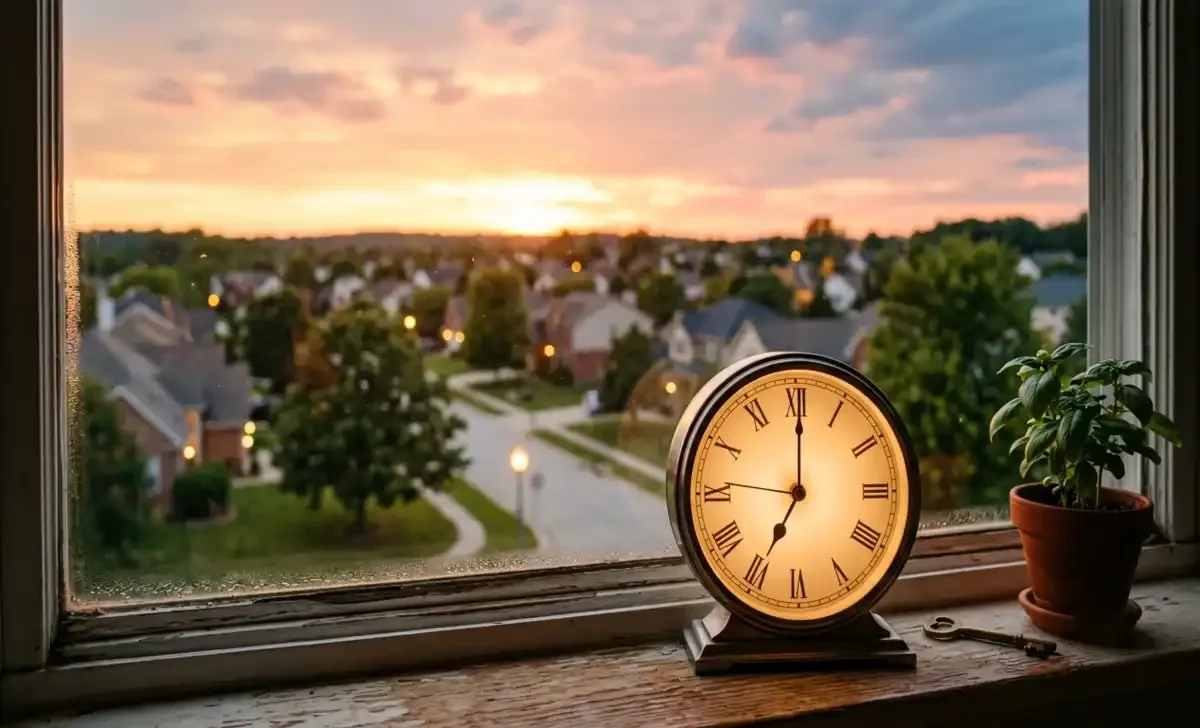
Every spring and fall, something small but strange happens. We move our clocks forward or back by one hour, lose or gain a bit of sleep, and spend a few days feeling slightly off. It's a ritual most of us barely question anymore.
But a growing number of lawmakers, sleep scientists, and everyday people are asking a bigger question: why not just pick one time and stick with it?
That's where the idea of permanent daylight saving time comes in. It's a proposal that would end the twice-yearly clock changes for good, keeping evenings brighter year-round. It sounds simple. It isn't.
In this guide, you'll learn what permanent daylight saving time actually means, how it's different from permanent standard time, the real pros and cons backed by research, and where the debate currently stands in the United States and beyond. Whether you're a night owl, a parent of young kids, or just someone tired of adjusting your sleep schedule twice a year, this article will help you understand what's really at stake.
What Permanent Daylight Saving Time Actually Means
Permanent daylight saving time means we would "spring forward" one final time and never "fall back" again. Clocks would stay set to daylight saving time all year, including the dark winter months.
This is different from permanent standard time, which is the other option on the table. Standard time is what we currently use in winter. It gives us brighter mornings but darker evenings.
Here's the simplest way to think about it. Daylight saving time shifts an hour of daylight from the morning to the evening. Permanent DST would lock that shift in place forever, even in December and January when the sun already sets early.
Right now, most of the United States switches between the two systems. Clocks go forward in March and back in November. Under a permanent DST law, that switching would stop entirely.
Hawaii and most of Arizona are exceptions. They already stay on standard time year-round and never observe daylight saving time at all.
Why This Debate Started Again
The idea of ditching the clock change isn't new. It's popped up in Congress for decades. But it gained real momentum after a surprising, unanimous vote.
Public frustration has been building for years. Surveys consistently show most Americans want to stop changing the clocks. The disagreement isn't really about whether to stop switching. It's about which time to keep.
Sleep researchers, meanwhile, have been sounding alarms about the health effects of the current system. Every spring, hospitals report a small but measurable spike in heart attacks and car accidents in the days right after the clocks jump forward.
This growing body of research, combined with public fatigue over the ritual itself, pushed the topic back into the national conversation. Lawmakers in dozens of states have introduced their own bills, though most are waiting on federal action before making a permanent switch.
The Sunshine Protection Act, Explained
The main piece of federal legislation driving this debate is called the Sunshine Protection Act. It would make daylight saving time permanent nationwide, eliminating the need for states to switch clocks twice a year.
The bill passed the U.S. Senate by unanimous consent in 2022, which surprised a lot of political observers. But it stalled in the House of Representatives and never became law. It has been reintroduced in later sessions of Congress, and its future remains uncertain.
If you're curious how analysts and betting markets weigh the odds of contested legislation like this actually passing, it works similarly to how prediction markets estimate the likelihood of political and economic events using real-time public sentiment and trading data.
Part of the holdup is disagreement among experts themselves. Some sleep scientists actually oppose the Sunshine Protection Act, arguing that permanent standard time would be healthier. This split has made it harder for lawmakers to reach a consensus, even though almost everyone agrees the current system needs to change.
More Evening Daylight, All Year Long
The biggest selling point of permanent daylight saving time is simple. You'd get an extra hour of usable daylight in the evening, every single day of the year.
Picture a Tuesday in January. Under the current system, the sun might set around 4:45 PM in many northern states. Under permanent DST, that same sunset would happen closer to 5:45 PM.
That extra hour matters more than people expect. It means:
- Kids can play outside after school before dinner
- Commuters drive home in daylight instead of darkness
- People are more likely to exercise or walk after work
- Outdoor businesses like golf courses and restaurants see longer active hours
Supporters argue this could genuinely improve the quality of life during the darkest, most depressing months of the year. Seasonal mood dips are common in northern climates, and extra evening light is one small way to fight back against that winter slump.
Fewer Deadly Car Crashes at Dusk
This is one of the most compelling arguments for permanent DST, and it's backed by real traffic safety data.
Evening rush hour is one of the most dangerous times to drive. When darkness falls during peak commute hours, pedestrian and cyclist deaths rise sharply. Research from transportation safety groups has repeatedly linked early winter sunsets to spikes in evening traffic fatalities.
Shifting that extra hour of light into the evening, when roads are busiest, could meaningfully reduce the number of crashes that happen in low-visibility conditions.
It's worth noting this cuts both ways. Permanent DST would mean darker mornings, which could increase the risk for kids walking to school or commuters heading out before sunrise. Safety experts are still debating which trade-off saves more lives overall.
A Boost for Local Businesses
More daylight after work tends to mean more consumer spending. This isn't just a theory. Retail groups and business associations have long supported extending daylight saving time for exactly this reason.
When it's light out after work, people are more inclined to:
- Stop by a store on the way home
- Grab dinner or drinks with friends
- Run errands instead of heading straight inside
- Spend time at parks, gyms, and outdoor venues
Golf courses, amusement parks, and outdoor retailers have historically lobbied in favor of extending daylight saving time. The logic is straightforward: darkness ends the day early and keeps wallets closed. Light keeps people out and spending.
Energy use is part of this conversation, too. Shifting activity patterns can change how and when households consume electricity, similar to how energy demand spikes during periods of extreme heat when air conditioning use surges. Lighting needs shift depending on when the sun sets, which can affect utility bills in ways that vary by season and region.
The Sleep Science Problem
Here's where the debate gets genuinely complicated. A lot of sleep scientists actually think permanent daylight saving time is a bad idea.
Their argument centers on something called circadian rhythm, which is your body's internal 24-hour clock. This rhythm is heavily influenced by natural light, especially morning sunlight.
Under permanent DST, sunrise would be pushed later, especially in winter. In some northern areas, the sun might not rise until after 8:30 or even 9:00 AM. That delayed morning light can throw off your body's natural wake-up signal.
The American Academy of Sleep Medicine has actually come out in favor of permanent standard time instead, not permanent daylight saving time. Their position is that standard time aligns better with human biology.
This is a genuinely surprising fact for a lot of people. Most assume "more evening light" is automatically the healthier option. Sleep researchers say it's more complicated than that.
Dark Winter Mornings Are a Real Downside
Let's be specific about what permanent DST would actually look like on a dark December morning in a northern city.
In places like Seattle, Detroit, or Minneapolis, sunrise could be delayed until nearly 9:00 AM during the darkest weeks of winter. That means:
- Kids waiting for school buses in total darkness
- Commuters driving to work before sunrise
- Reduced natural light during the first hours of the workday
- Increased reliance on artificial lighting in the morning
This isn't a hypothetical concern. The U.S. actually tried permanent daylight saving time before, back in 1974, during an energy crisis. Public support collapsed within months once winter mornings got dark, and Congress reversed the decision less than a year later.
That history matters. It's the clearest real-world evidence we have of how people react to dark winter mornings under permanent DST, and it wasn't positive.
What Sleep Experts Actually Recommend
If sleep scientists don't love permanent daylight saving time, what do they want instead?
The consensus among sleep medicine experts is permanent standard time, not permanent daylight saving time. Their reasoning comes down to morning light exposure.
Standard time keeps mornings brighter, which helps regulate your body's internal clock more naturally. Morning sunlight helps suppress melatonin, the hormone that makes you feel sleepy, and helps you feel more alert earlier in the day.
Experts point to a few specific benefits of standard time:
- Better alignment with natural sunrise and sunset patterns
- Easier, more consistent sleep onset at night
- Reduced risk of circadian rhythm disruption
- Fewer reported cases of seasonal mood disturbances tied to dark mornings
This creates an awkward tension in the public debate. Most people say they want more evening light, which sounds like daylight saving time. But the experts most familiar with sleep and circadian biology tend to favor the opposite approach. It's a case where public preference and expert recommendation don't fully line up.
How Other Countries Handle This
The United States isn't alone in wrestling with this question. Plenty of other countries have already made permanent decisions, and it's worth looking at how those played out.
The European Union voted back in 2019 to end mandatory clock changes across member states. Individual countries were left to decide whether to stay on permanent standard time or permanent summer time. As of now, implementation has stalled, largely because member states couldn't agree on which option to choose, mirroring the exact debate happening in the U.S.
Japan, meanwhile, has never observed daylight saving time at all. It stays on standard time year-round and has for decades.
Russia actually tried permanent daylight saving time in 2011 and abandoned it in 2014, largely due to public complaints about dark winter mornings, similar to what happened in the U.S. in 1974.
The pattern across countries is fairly consistent. Permanent daylight saving time tends to look good on paper and then run into real resistance once dark winter mornings actually arrive.
What You Can Actually Do About It
You're not powerless here, even though this feels like a decision made entirely by lawmakers.
A few practical steps if you want to influence the outcome:
- Contact your representatives. Federal legislation like the Sunshine Protection Act needs public pressure to move forward.
- Check your state's stance. Many states have passed conditional legislation that would adopt permanent DST only if federal law allows it.
- Support research-backed advocacy groups. Organizations focused on sleep health and traffic safety often track and share credible research on this topic.
- Talk to your community. Local opinion pieces and town halls do influence how state lawmakers vote.
In the meantime, you can also prepare your own routine for whichever direction the country ultimately goes.
Expert Tips
- Get morning sunlight exposure now, regardless of which system we end up with. It's one of the most effective ways to regulate your circadian rhythm naturally.
- Avoid bright screens for an hour before bed during the days surrounding any clock change. This helps your body adjust faster.
- Gradually shift your sleep schedule by 10 to 15 minutes a day in the week before a clock change, rather than adjusting all at once.
- Keep your bedroom dark in the mornings if you're a light sleeper, especially under any system with later sunrise times.
- Track how you feel during the week after each clock change. Noticing patterns in your own mood and energy can help you form an informed opinion on which system actually works better for you personally.
Common Mistakes to Avoid
- Assuming permanent DST is purely a lifestyle upgrade. It comes with real trade-offs, especially for morning commuters and school-aged kids.
- Confusing daylight saving time with standard time. These terms get mixed up constantly, even in news coverage, and it leads to a lot of public confusion.
- Ignoring the sleep science. A lot of public opinion is based on gut feeling about evening light, without accounting for how morning light affects the body.
- Assuming this is a settled issue. Despite the 2022 Senate vote, no federal law has actually been passed. Nothing changes until Congress acts.
- Forgetting regional differences. The effects of permanent DST vary dramatically depending on latitude. A city in Florida will barely notice the difference. A city in Minnesota will notice it a lot.
Conclusion
Permanent daylight saving time isn't as simple as it first sounds. Yes, it would mean brighter evenings all year, fewer dangerous dusk commutes, and a potential boost for local businesses. But it also means darker winter mornings, and some genuine concerns from sleep scientists about how that affects your body's natural rhythm.
The truth is, there's no perfect answer here. Even experts disagree on whether permanent daylight saving time or permanent standard time is the better long-term choice. What almost everyone agrees on is that the current system of switching twice a year needs to end.
If this is something you care about, don't just wait for Congress to decide. Contact your representatives, stay informed on your state's legislation, and pay attention to how science continues to evolve. The clocks might stop changing sooner than you think, and it's worth having an informed opinion on which direction we should go.
Frequently Asked Questions
What is permanent daylight saving time?
Permanent daylight saving time means clocks would stay set to daylight saving time all year, eliminating the twice-yearly change and keeping evenings brighter, including through the winter months.
Has the U.S. passed permanent daylight saving time?
Not yet. The Sunshine Protection Act passed the Senate in 2022, but has not passed the House or been signed into law as of now.
Is permanent daylight saving time healthier than permanent standard time?
Most sleep scientists actually favor permanent standard time, arguing it aligns better with natural circadian rhythms because of its brighter mornings.
Did the U.S. ever try permanent daylight saving time before?
Yes. The U.S. briefly adopted permanent daylight saving time in 1974 during an energy crisis, but Congress reversed the decision within a year due to public backlash over dark winter mornings.
Which states don't observe daylight saving time at all?
Hawaii and most of Arizona currently stay on standard time year-round and do not participate in the twice-yearly clock change.