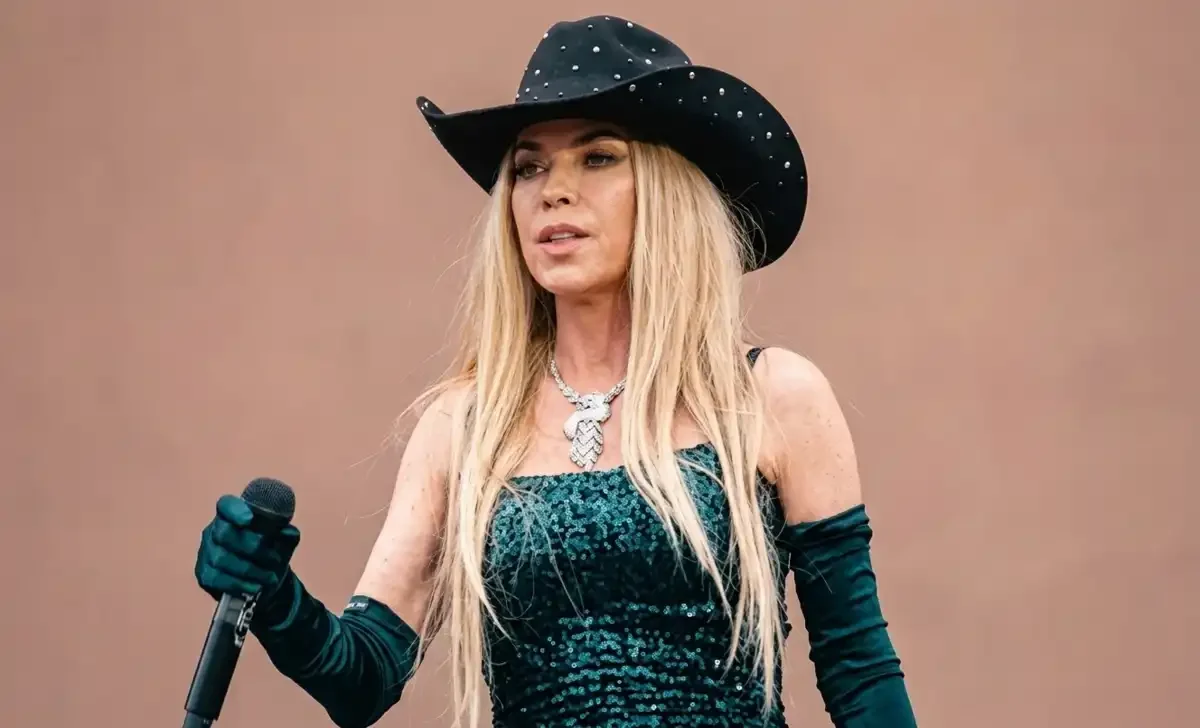
If you've ever wondered how a 60-year-old performer sings and dances through a two-hour arena show without running out of steam, the answer isn't a secret supplement or a strict diet plan. It's a shake.
Shania Twain recently opened up about her pre-show nutrition ritual, and it's a lot simpler than most people expect. No solid food. No dairy. Just one carefully chosen Shania Twain protein shake that she drinks before walking onstage.
This isn't a fad or a marketing gimmick. It's a routine she's built over years of trial and error, shaped by real digestive issues and vocal demands most of us never think about. In this article, you'll learn exactly what's in her shake, why she avoids dairy and solid food on show days, what a registered dietitian thinks of the approach, and how to build your own version at home — whether you're performing, working out, or just trying to eat smarter on busy days.
The Exact Shake Recipe Shania Twain Uses
Shania keeps her go-to shake simple. Her preferred version is raw spinach, banana, and a dairy-free protein powder blended. That's it. No added sugar, no fancy mix-ins, no protein bars stacked on top.
On days when she's running behind schedule, she sometimes skips the fruit and vegetables and just drinks the protein base on its own. She's admitted this version leaves her hungrier, but she pushes through it because keeping her voice clear matters more than comfort on show nights.
What makes this recipe work isn't some rare ingredient. It's the combination of easy-to-digest carbs from the banana, fiber and micronutrients from the spinach, and enough protein to keep her energy steady through a demanding set. It's the kind of shake most people could make in under five minutes with ingredients from any grocery store.
Why She Cuts Out Dairy Completely
This is the part of her routine that surprises people most. Shania has avoided dairy for years, and it's not about calories or digestion in the usual sense. It's about her voice.
She's said plainly that she can't sing well after having dairy. This lines up with something many singers and vocal coaches have reported anecdotally for decades: dairy can thicken saliva and mucus, making it harder to sing cleanly, even though the science on this is still debated among researchers.
Whether or not dairy directly affects mucus production the way singers believe, the reasoning here is simple. If something reliably makes your instrument — in her case, her voice — feel worse, you stop using it. She's not making a general health claim about dairy being bad. She's made a personal, performance-based decision based on years of noticing the pattern herself.
Why No Solid Food Before a Show
Shania has also explained that eating solid food on a show day causes real problems once she's onstage. She's said that if she eats anything solid during the day, she starts burping around song seven — and it doesn't go away, even if the "cheat" felt small at the time.
For most of us, an awkward burp isn't a big deal. For a singer holding notes in front of thousands of people, it's a real disruption. This is why she drinks all her nutrients before singing and saves actual meals for after the show.
It's a practical solution to a specific problem, not a rule she recommends for everyone. The takeaway isn't "never eat solid food." It's that she identified exactly what was interfering with her performance and adjusted her routine to fix it.
The "Treat It Like Sport" Mindset
One of the most useful parts of Shania's approach is the mindset behind it. She's compared performing to an athletic event, saying you wouldn't eat the wrong thing before hitting the gym or stepping onto a tennis court, so why treat a two-hour show any differently?
This reframing matters. A live show involves sustained cardio, vocal strain, heat from stage lights, and hours of physical movement. Athletes plan their pre-event meals carefully for exactly these reasons, and performers are starting to apply the same logic.
If you're curious how this kind of performance-focused mindset shows up in other high-pressure arenas, it's worth noting that even sports with very different physical demands — like tennis — have their own strict rules around timing, energy, and focus. You can see how deeply tradition and precision matter in a sport like this in tennis heritage, where routine and discipline shape performance just as much as raw talent.
What a Dietitian Says About This Approach
Registered dietitian Priya Tew has weighed in on Shania's shake-only routine, noting that liquid nutrition can absolutely be useful in certain situations — including before high-output performances where digestion needs to be fast and predictable.
That said, whether this approach gives Shania enough fuel depends on the exact ingredients, portion sizes, and her individual energy needs, which can vary a lot from person to person. A shake that works well for one performer's body and schedule won't automatically work the same way for someone else.
This is an important nuance. Shania's routine isn't a universal formula. It's a personalized system she's refined over time, based on how her own body responds. If you're building something similar, expect some trial and error before you land on what actually works for you.
How to Recreate Her Shake at Home
You don't need special equipment to try this. Here's a simple starting point based on her go-to combination:
- 1 cup dairy-free milk (oat, almond, or soy)
- 1 handful raw spinach
- 1 ripe banana
- 1 scoop dairy-free protein powder (pea, rice, or a blend)
- A few ice cubes if you like it colder
Blend everything until smooth. That's genuinely the whole process. The banana naturally sweetens the shake, so you shouldn't need added sugar.
If you're new to green shakes, start with less spinach and build up. A small handful blends in almost undetectable once it's mixed with banana, but a full cup can taste noticeably "green" if your blender doesn't fully break it down.
Three Tasty Variations to Try
Once you've got the base recipe down, small swaps can keep things interesting without breaking the dairy-free rule.
Tropical version: Swap the banana for frozen mango and pineapple, keep the spinach, and use coconut milk as your base. This works especially well in warmer months.
Chocolate-peanut version: Add a tablespoon of natural peanut butter and use a chocolate-flavored dairy-free protein powder. It tastes closer to dessert but still fits the same nutritional profile.
Berry-oat version: Blend in a small handful of frozen berries and a tablespoon of oats for extra fiber and staying power, useful on days when you need the shake to hold you over longer.
None of these need dairy, and all of them keep the same easy-digestion principle that makes Shania's original recipe work for performance days.
Choosing the Right Dairy-Free Protein Powder
Not all dairy-free protein powders behave the same way in a shake. Pea protein tends to be thicker and slightly earthy in flavor. Rice protein is lighter but sometimes gritty on its own, which is why many brands blend the two. Soy protein blends smoothly but isn't ideal if you're sensitive to soy.
A few practical buying tips:
- Check the ingredient list for added sugars and artificial sweeteners if you want a cleaner shake.
- Look for a protein powder with at least 20 grams of protein per serving if you want the shake to double as a meal replacement.
- Try a small single-serving packet before committing to a full tub, since texture and taste vary a lot between brands.
Getting this part right matters more than people expect. A gritty or overly sweet powder can undo an otherwise great shake.
What She Eats After the Show
Shania has been open about the fact that her real meal happens after the performance, often on a plane while traveling to the next city. She's admitted it's not glamorous, mainly because it's always a late meal eaten while tired and winding down from hours onstage.
This is worth mentioning because it shows the full picture of her routine. The pre-show shake isn't a diet strategy or a way to eat less overall. It's a timing adjustment. She still eats a full meal every day — it's just shifted to a point when her body can handle it without interfering with the show.
If you're adapting any part of this routine for your own schedule, keeping that full picture in mind matters. Skipping meals without eating properly afterward is a very different habit than simply timing your nutrition around a demanding event.
Other Performers Who Rely on Liquid Nutrition
Shania isn't the only performer who leans on shakes and liquid meals around big events. Many touring musicians, dancers, and stage performers have talked publicly about switching to lighter, easier-to-digest food on show days, largely for the same reasons: nerves, physical exertion, and the risk of stomach discomfort mid-performance.
This pattern shows up outside music too. Fitness-focused public figures often talk about how they structure meals around high-output days rather than eating the same way every single day. It's less about a single "correct" diet and more about matching your fuel to what your body is about to do. For a look at how another public figure approaches fitness and daily routine, Maya Jama's fitness offers a useful comparison point.
Pros and Cons of a Shake-Only Show Day
Like any routine built around a specific need, this approach has real trade-offs worth understanding before you try it.
Pros:
- Faster digestion means less risk of stomach discomfort during physical activity
- Easier to control ingredients and avoid trigger foods like dairy
- Quick to prepare, even with a tight schedule
- Can be adjusted for taste without changing the core benefits
Cons:
- Can leave you hungry if you skip the fruit and vegetable add-ins
- Not automatically enough calories for everyone's energy needs
- Requires planning ahead, since blending isn't always convenient on the road
- Not a fit for people who need more sustained energy from complex carbs
Knowing both sides helps you decide whether this is a smart addition to your routine or something to adapt more loosely.
When This Approach Isn't Right for You
This kind of shake-only routine works well for short, intense bursts of activity, like a two-hour show. It's not necessarily the right approach for a full day of steady work, especially if you're on your feet for long stretches or doing physically demanding labor.
It's also worth being cautious if you have a history of disordered eating patterns, since deliberately skipping solid meals — even for a specific, practical reason like Shania's — can be a slippery habit for some people to manage safely. If that applies to you, it's worth talking to a doctor or dietitian before adjusting your eating around performance or exercise days.
The bigger lesson from Shania's routine isn't "skip solid food." It's "pay attention to what actually helps your body perform, and build your habits around that."
Expert Tips
- Prep your add-ins the night before. Wash your spinach and freeze pre-portioned banana chunks so your shake takes two minutes, not ten.
- Match your shake to your event, not your mood. Shania's routine works because it's tied to a specific physical demand — singing for two hours. Build your own shake habits around what your day actually requires.
- Test new recipes on low-stakes days first. Never try a brand-new shake or protein powder right before something important. Your stomach needs time to adjust.
- Keep a small notebook or notes app log. Track how you feel after different shake combinations so you can spot patterns, the same way Shania learned her own dairy sensitivity over time.
Common Mistakes to Avoid
- Adding too much protein powder at once. More isn't always better — it can make the shake harder to digest and cause the exact stomach discomfort you're trying to avoid.
- Ignoring hidden dairy. Some "non-dairy" protein powders and creamers still contain milk derivatives like casein. Always check the label.
- Skipping the fruit entirely without adjusting elsewhere. If you drop the banana or berries, replace those carbs somewhere else in your day so you're not running on empty.
- Assuming this routine fits every schedule. A shake-only pre-event routine works for short, high-intensity windows. It's not a general meal-replacement strategy for everyday life.
Conclusion
The Shania Twain protein shake isn't complicated, and that's exactly the point. It's spinach, banana, and a dairy-free protein powder, built around one clear goal: getting through a demanding show without discomfort or vocal strain. What makes it worth paying attention to isn't the ingredient list. It's the thinking behind it — noticing what actually affects your performance and adjusting your habits accordingly, rather than following a generic rule.
If you're building your own version, start simple. Try the base recipe, pay attention to how you feel, and adjust from there. And if you're curious how other high performers structure their routines around big moments, it's worth exploring how focus and discipline show up well beyond the kitchen, whether that's on stage, on a court, or anywhere else performance is under pressure.
Frequently Asked Questions
What is in Shania Twain's protein shake?
Her go-to version is raw spinach, banana, and a dairy-free protein powder blended. On rushed days, she sometimes skips the fruit and vegetables and drinks the protein base alone.
Why does Shania Twain avoid dairy?
She's said dairy affects her ability to sing clearly, so she's avoided it for years, specifically on performance days and beyond, to protect her voice.
Does Shania Twain eat before every show?
No. She avoids solid food on show days entirely, drinking her nutrients beforehand and eating a full meal after the performance, often quite late.
Is a dairy-free protein shake good for performers or athletes?
It can be, especially before high-output activities where fast digestion matters. A registered dietitian has noted liquid nutrition can be helpful in the right context, though it depends on individual needs.
Can I use this shake as a regular meal replacement?
It's better suited to short bursts of intense activity rather than daily use. For everyday nutrition, most people need more variety and calories than a single shake provides.