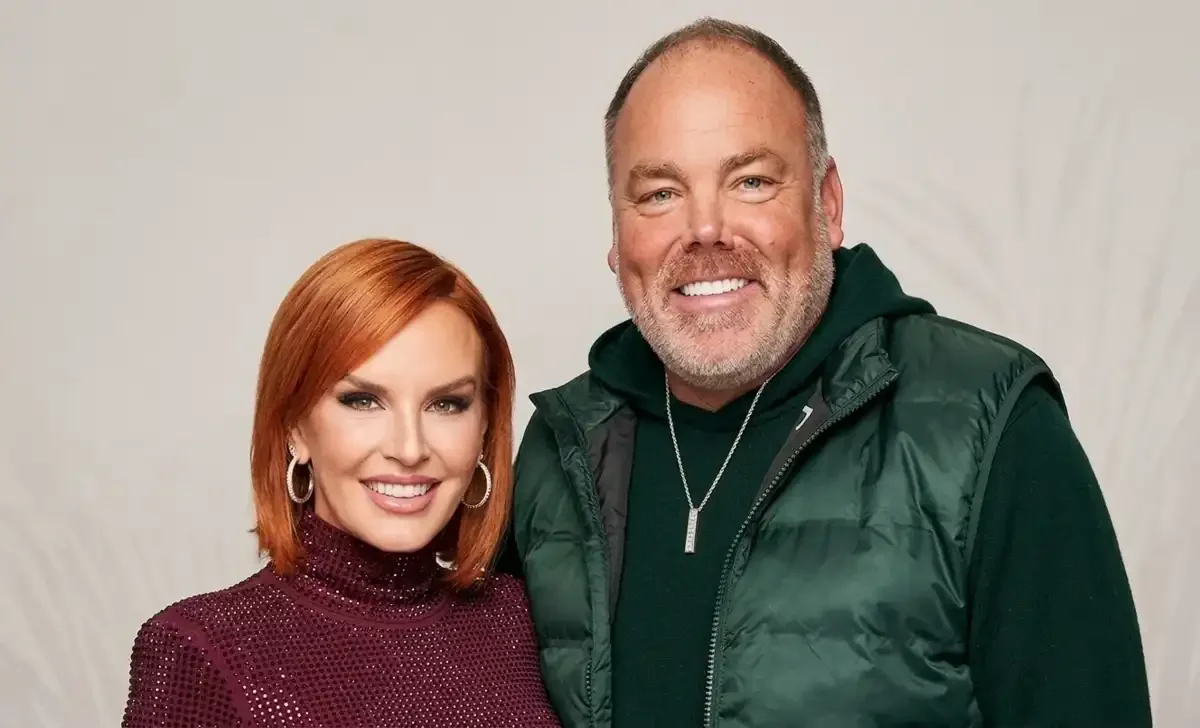
If you've spent any time on TikTok or entertainment news sites this month, you've probably seen the name Taylor Frankie Paul trending for reasons that have nothing to do with her usual content. The Taylor Frankie Paul DCFS petition allegations have become one of the biggest reality TV stories of the summer, and understandably, a lot of fans are confused about what's actually true.
Between leaked court documents, TMZ reports, and Taylor's own Instagram videos responding to the claims, the story has moved fast. Some headlines are accurate. Others stretch the facts. This article breaks it all down in plain language, so you know exactly what's been filed, what Taylor has said in response, and what could happen next.
By the end, you'll understand the full timeline, the specific claims in the petition, and why this case matters beyond the tabloid noise.
What Is the DCFS Petition, Exactly?
A DCFS petition is a legal document filed by a state child welfare agency asking a court to get involved in a family's life. In this case, Utah's Division of Child and Family Services asked a juvenile court to formally find that Taylor Frankie Paul's three children have been "abused, neglected or dependent."
That phrase sounds harsh, but it's actually a standard legal category used across child welfare cases. It doesn't automatically mean a parent has been abusive. It means the state believes there's enough concern to warrant court oversight, at least temporarily.
The filing also asked for protective supervision services and requested that a guardian ad litem be appointed to represent the children's interests separately from either parent. That's a normal step in cases like this and doesn't imply guilt on anyone's part.
Who Filed It and Why
The petition wasn't filed by Dakota Mortensen or Tate Paul, Taylor's two children's fathers. It was submitted by the Utah Attorney General's Office on behalf of DCFS, which asked for priority scheduling so the case could move through juvenile court quickly.
This distinction matters. A lot of social media commentary has framed this as one parent attacking the other. In reality, the state agency itself decided there was enough concern to step in, based on months of home visits, interviews, and prior contact with the family.
The filing referenced the family's history with DCFS and noted ongoing custody disputes involving both fathers, suggesting the agency had been monitoring the situation for a while before filing.
The Claim About Taylor Leaving the Home During a Visit
One of the more talked-about allegations involves a home visit where DCFS claims Taylor became upset after reading social media messages and left the house. Taylor has pushed back hard on how this was described.
She explained that she stepped outside briefly to calm down, calling it the correct thing to do to de-escalate emotions rather than an act of abandoning her children. She also denied ever leaving anyone unsupervised in her home.
This is a good example of how the same event can be described very differently depending on the source. A caseworker's clinical notes and a parent's personal recollection of a stressful moment rarely read the same way, even when both are describing the truth as they experienced it.
The Diaper-Changing Allegation Involving Her Daughter
Another claim in the petition alleges that Taylor's 8-year-old daughter, Indy, regularly changes her younger brother Ever's diaper and prepares his bottle. The filing frames this as a parenting concern, suggesting the child has taken on caregiving responsibilities beyond her age.
Taylor firmly denied ever forcing or requiring this, saying her daughter simply likes to help and is going through a phase of wanting to act as "mommy's helper." Plenty of parents will recognize that dynamic. Older siblings often want to mimic caregiving behavior around a younger baby.
The difference between a child voluntarily helping and a child being relied upon as unpaid childcare is exactly the kind of nuance that gets lost once a story hits social media.
Comments About Her Life Coach and Mental Health Assessments
According to the filing, during a May 2026 home visit, Taylor told DCFS that her life coach was one of the most important people helping her stay stable, and she wanted that coach to conduct her mental health and domestic violence assessments instead of a licensed clinician.
DCFS reportedly told her the coach wasn't qualified to perform those evaluations. This detail matters because courts generally require assessments from licensed professionals, not personal coaches, when custody and safety decisions are on the line.
It's worth noting that leaning on a trusted mentor during a hard time isn't unusual. The issue here isn't that Taylor sought support. It's a disagreement over who is qualified to conduct court-relevant evaluations.
The 2023 Domestic Violence Video Resurfacing
The petition also references a 2023 incident that resurfaced publicly when footage was released showing Taylor physically attacking Dakota Mortensen, including throwing a chair that struck her daughter Indy, who was six at the time and began crying.
Taylor was arrested afterward and pleaded to charges related to aggravated assault and domestic violence in the presence of a child. That case had already been resolved legally, but its resurfacing became a key exhibit in the current custody dispute and appears to have influenced DCFS's decision to file this new petition.
Old incidents like this often get cited in ongoing family court matters, even years later, because courts consider a parent's full history, not just recent events, when deciding what's in a child's best interest.
Concerns Raised About Her Therapy Progress
The filing claims Taylor's own therapist told DCFS that meaningful treatment hadn't really begun yet, and that Taylor became visibly frustrated when asked about her progress in sessions.
Therapy compliance is a common factor courts weigh in custody and welfare cases, especially when a parent has a documented history involving domestic violence. It's not just about attending sessions. Courts and agencies often want evidence of measurable behavioral change.
Taylor has disputed the characterization that she isn't taking her mental health seriously, calling herself a huge advocate for mental health and pushing back on the idea that she requested a new therapist because she wasn't invested in the process.
What Taylor Frankie Paul Has Said Publicly
Rather than staying silent, Taylor addressed the allegations directly in a series of Instagram videos posted within days of the petition becoming public. She didn't deny every claim outright. Instead, she acknowledged imperfection while disputing specific details she felt were misrepresented.
She stated plainly that she doesn't consider herself "this mother of the year" but pushed back on claims she felt crossed into inaccurate territory, particularly around the diaper-changing allegation and the description of her leaving the home visit.
She also expressed confidence in her bond with her children, saying she believes they would choose her and her home if ever asked directly. Whether or not you believe her framing, it's clear she's trying to control the narrative before the court date arrives.
How This Fits Into the Larger Custody Battle With Dakota Mortensen
None of this is happening in isolation. Taylor and Dakota Mortensen have been locked in a contentious custody dispute since early 2026, following the earlier investigation into a domestic altercation between them. That case already resulted in Taylor temporarily losing parent time with their son Ever.
The DCFS petition arrived right as the custody trial between Taylor and Mortensen was underway, and the timing has fueled speculation about how connected the two legal processes are. It's a reminder that celebrity custody disputes rarely stay contained to one courtroom or one filing.
If you're following other high-profile personal and family stories in entertainment right now, it's worth comparing how differently these situations play out publicly, as seen in the ongoing conversation around Jelly Roll and Bunnie XO's relationship, where a much more public and mutual approach to a difficult personal chapter has shaped fan reaction.
What Happens Next in Juvenile Court
DCFS requested an expedited hearing, meaning the court is expected to move relatively quickly compared to standard family court timelines. At that hearing, a judge will decide whether the evidence supports the claim that the children meet Utah's legal definition of abused, neglected, or dependent.
If the court agrees, it could order continued protective supervision, require specific services like family therapy, or set conditions Taylor must meet to maintain custody. If the court disagrees, the petition could be dismissed, though DCFS involvement might continue informally.
It's also possible a middle-ground outcome emerges, where the court orders services and monitoring without making a full formal finding against Taylor. That's actually one of the more common outcomes in cases like this.
Expert Tips
When following a fast-moving legal story like this, a few habits make it easier to stay informed without getting misled:
- Separate allegations from findings. A petition is a list of claims, not a court ruling. Nothing has been legally proven yet.
- Check who filed the document. Petitions from a state agency carry different weight than accusations from an ex-partner.
- Read the original court filing when possible, rather than relying only on summarized headlines.
- Watch for updated timelines, since custody and welfare cases often get continued or amended before a final hearing.
- Be cautious with viral clips. Short videos rarely capture the full context of a legal situation.
Common Mistakes to Avoid
A story like this spreads fast, and it's easy to slip into some common traps while following it:
- Assuming the petition equals a guilty verdict. It doesn't. It's the starting point of a legal process, not the conclusion.
- Treating social media statements as legal fact. Instagram videos are one side of the story, filtered through personal framing.
- Ignoring the children's privacy. Minors involved in cases like this deserve some protection from speculation, even in public interest reporting.
- Conflating separate legal matters. The Mortensen custody case and the DCFS petition are related but not identical proceedings.
- Sharing unverified screenshots of alleged court documents without confirming their authenticity through a credible outlet.
Conclusion
The Taylor Frankie Paul DCFS petition allegations are still unfolding, and it's important to remember that a petition is the beginning of a legal process, not a final judgment. Between the leaked documents, the resurfaced 2023 video, and Taylor's own public responses, there's a lot of noise to sort through.
What we know for certain is this: Utah DCFS has raised formal concerns, an expedited hearing is coming, and Taylor is actively defending herself in the court of public opinion while the legal case plays out. If you're following this story, keep an eye on official court updates rather than viral clips alone, and check back as new details emerge from the upcoming hearing.
Frequently Asked Questions
What are the Taylor Frankie Paul DCFS petition allegations?
The petition alleges concerns around her home environment, her response during a DCFS visit, her daughter's involvement in caregiving tasks, and her progress in required therapy and mental health assessments.
Has Taylor Frankie Paul lost custody of her children?
As of now, no final custody ruling has come from this specific petition. An expedited hearing has been requested, but the case is still moving through juvenile court.
Why did Utah DCFS get involved in the first place?
DCFS cited the family's prior history with the agency, an earlier domestic violence incident, and ongoing custody disputes with both fathers as reasons for continued monitoring and, eventually, this petition.
How has Taylor Frankie Paul responded to the allegations?
She's addressed several claims directly on Instagram, denying specific details like storming out unsupervised or forcing her daughter to change diapers, while acknowledging she isn't a perfect parent.
What happens if the court sides with DCFS?
The court could order protective supervision, mandate specific services like therapy or parenting classes, or set conditions Taylor must meet to retain custody of her children.