The war between the United States and Iran has entered its tenth straight night of American airstrikes, with President Trump warning Tehran it had "better behave" after a string of attacks killed American troops and knocked out infrastructure across the Gulf. What started in February as a rapid strike campaign has turned into a grinding, monthslong conflict — one that keeps breaking ceasefires almost as fast as they're signed.
Here's what's actually happening, what's been hit, and where this is headed.
Overview of the Latest US Strikes on Iran
US Central Command confirmed another round of strikes against Iranian military sites overnight, marking the tenth consecutive night of American bombing as of July 21. The renewed campaign follows the collapse, for the second time this year, of a ceasefire meant to end the war.
Trump's warning came after Iranian attacks killed American service members in Jordan and Iraq over the past week. He said Tehran would "pay" for the deaths, a comment that landed just before US forces carried out another wave of strikes late Monday night.
Key developments right now:
- The US has struck Iran on ten straight nights, targeting military command centres, air defences, and missile and drone infrastructure.
- Iran has hit back at US bases and allied countries, including Jordan, Kuwait, and Bahrain, and has damaged a Kuwaiti desalination plant and power stations.
- At least three American service members have been killed since July 7, with close to 100 more injured, mostly with minor wounds, according to the Pentagon.
- Oil prices and US gas prices have climbed again, with the national average back near $4 a gallon.
- Diplomatic efforts are continuing quietly through Qatar and Pakistan, even as both sides keep fighting.
Why Did the US Launch Fresh Strikes on Iran?
The immediate trigger was Iran's decision, on July 6 and 7, to attack three commercial ships that had bypassed shipping routes Tehran had set for the Strait of Hormuz. The US responded with strikes, and Trump declared the ceasefire that had held since April "over."
That April truce, brokered by Pakistan, was already fragile. It had unravelled once before, in the weeks after it was signed, when a dispute over whether the deal covered Lebanon led to renewed fighting there. A follow-up memorandum of understanding, announced by mediators in mid-June, was supposed to formally end the war within 60 days. Iran's decision to strike ships bypassing its preferred routes broke that arrangement less than a month in.
Washington's official position, repeated by Trump in a Fox News interview, is that the strikes will continue until Iranian negotiators return to the table.
What Targets Were Hit?
Military Command Centres
US strikes have repeatedly targeted Iranian command and control infrastructure tied to the country's ability to direct its missile and drone forces.
Air Defense Systems
Iranian air defence sites have been a consistent target, aimed at reducing Tehran's ability to intercept or resist follow-up strikes.
Missile and Drone Facilities
CENTCOM has said strikes have focused heavily on facilities used to build, store, and launch the missiles and drones Iran has used against US bases and Gulf allies.
Coastal Defence Sites
Coastal surveillance and defence installations have been hit as part of the effort to weaken Iran's capacity to threaten shipping through the Strait of Hormuz.
Bandar Abbas and Iran's Gulf Coast
Bandar Abbas, a major Iranian port city on the Persian Gulf, has been named repeatedly by CENTCOM as a strike location, given its role in Iran's naval and coastal operations near the strait. Iranian state media has also reported explosions in Chabahar, Rask, and areas near Bushehr — all locations tied to Iran's southern coastline and its ability to project force into the Gulf and the Strait of Hormuz.
Trump's Warning to Iran
"Better Behave" Remarks
Asked whether he was giving Iran a deadline before expanding strikes to bridges, Trump told reporters he doesn't like setting deadlines but that Iran "pretty much" knows what's coming. His summary was blunt: "They better behave."
Threat of Additional Military Action
Trump has floated striking Iranian bridges and power plants if Tehran doesn't return to negotiations, and he has warned Iran would face consequences for the deaths of American troops. Speaking at a defence summit, he described Iran as unhappy with its position and said the US would decide whether to pursue a settlement or push the conflict toward a decisive end.
Calls for Iran to Return to Negotiations
Despite the tough talk, Trump has said Washington is willing to keep talking. He confirmed the US agreed to continue negotiations with Iran even while insisting the ceasefire itself is finished.
Iran Responds to the US Strikes
Retaliatory Attacks on US Military Targets
Iran has struck US and allied positions repeatedly since the ceasefire broke down, including missile attacks on a US base in Jordan and drone and missile fire aimed at Kuwait and Bahrain. US forces reported intercepting several Iranian cruise missiles and dozens of one-way attack drones in a single overnight period in mid-July. Iranian-backed Houthi forces in Yemen have separately warned Saudi vessels to stay clear of certain routes, widening the conflict's reach.
Statements from Iranian Leaders
Mohammad Bagher Ghalibaf, Iran's lead negotiator, dismissed the June memorandum as meaningless under current conditions and framed the fight as an "existential" one for Iran. Iran's Islamic Revolutionary Guard Corps has warned it could shut down additional oil and gas export routes that serve US and allied interests, on top of its ongoing restrictions in the Strait of Hormuz.
Iran's Position on Future Negotiations
Iran has told mediators it has no trust in Washington but has continued engaging through back-channel diplomacy. Qatar and Pakistan have both worked to keep communication open, and Iran's interior minister met with his Pakistani counterpart this week as tensions climbed further.
Escalating Conflict in the Strait of Hormuz
Why the Strait Is Strategically Important
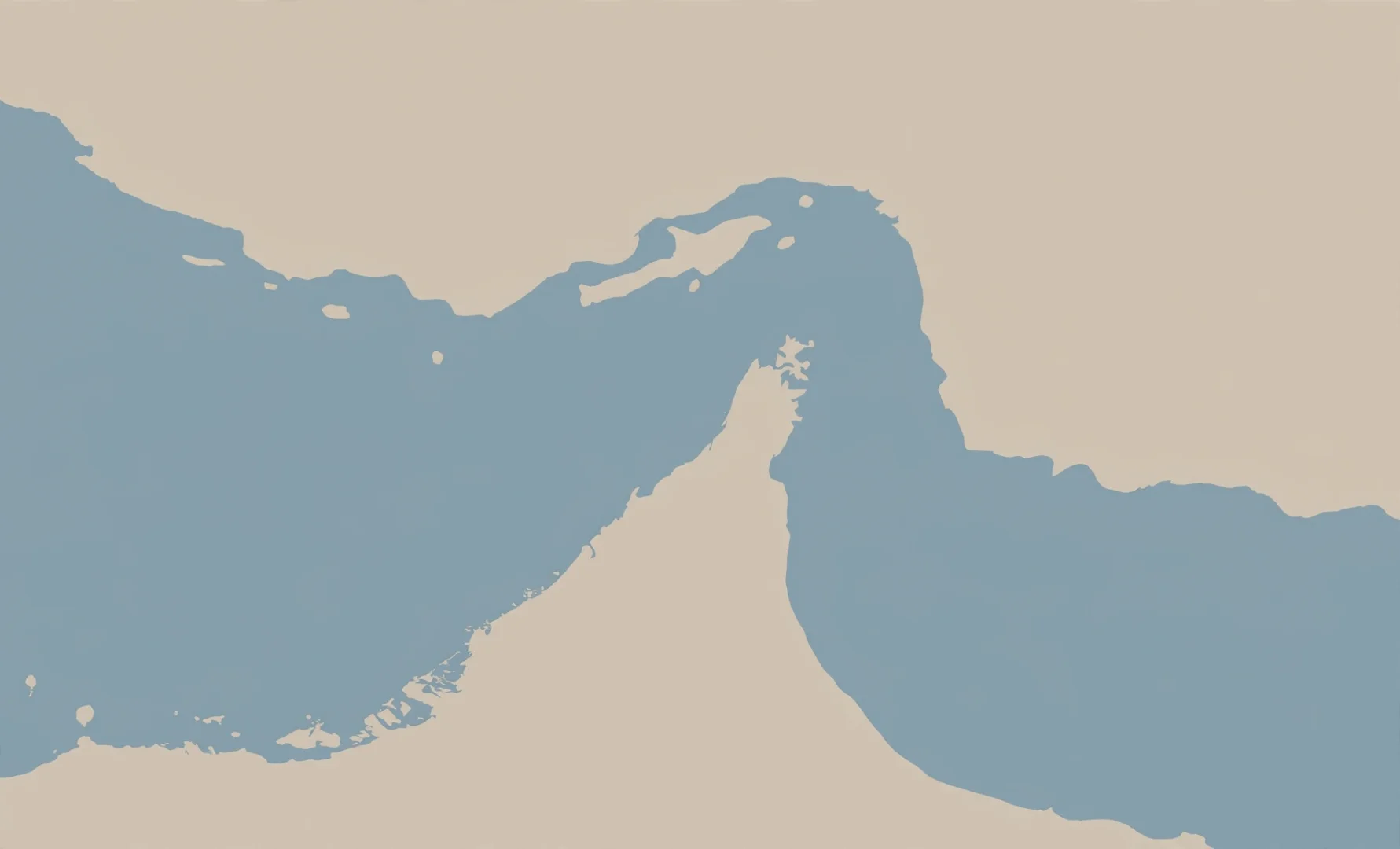
Roughly a fifth of the world's oil and liquefied natural gas passes through the Strait of Hormuz. It's the single most consequential chokepoint in the global energy trade, which is why disruptions there ripple through fuel prices worldwide almost immediately.
US Naval Operations and Blockade
The US has reimposed a naval blockade on Iranian ports as part of its pressure campaign, aiming to cut off Iran's ability to move military supplies and export oil.
Iran's Threats to Regional Shipping
Iran has selectively restricted transit through the strait since the war began, allowing some vessels through — including ships from countries it considers friendly, like China and Russia — while blocking or charging others. Commercial traffic through the strait dropped more than 90% after the war started in February, and further Iranian attacks on shipping in March deepened that decline.
Impact on Global Trade Routes
The International Energy Agency has described the disruption as the largest supply shock in the history of the global oil market. Countries across Asia that depend heavily on Gulf oil have faced fuel shortages and rationing, with Vietnam among the countries reporting panic buying at gas stations.
Military Operations and Damage Assessment
Timeline of the Current Wave of Strikes
The current escalation began July 6–7, when Iran struck commercial vessels, and Trump declared the ceasefire over. Strikes have continued nightly since, reaching a tenth consecutive night by July 21, with CENTCOM confirming additional rounds late into Monday night.
Air Defense Activation Across Iran
Iranian state media has reported explosions and air defence activity across multiple cities during the strikes, including Bandar Abbas, Chabahar, Rask, and Bushehr province.
Reported Damage to Military Infrastructure
Centcom has described the strikes as targeting Iran's capacity to threaten shipping through the Strait of Hormuz specifically, alongside broader damage to command, air defence, and missile infrastructure.
Civilian Areas Affected
Iran's retaliatory strikes have caused damage well beyond military sites. On July 21, Iranian attacks damaged a desalination facility and power plants in Kuwait, along with areas of Bahrain and Jordan, and set two tankers in the Strait of Hormuz on fire after Iran's Revolutionary Guard said they had taken an "unsafe route."
Humanitarian Impact
Casualties and Injuries
The human cost on both sides has climbed sharply in recent weeks. On the US side, at least three service members have been killed since July 7 — two in an Iranian strike on a base in Jordan, and one during the disposal of an unexploded Iranian drone in Iraq. The Pentagon says nearly 100 US troops have suffered injuries, mostly minor, over the same period, though officials have been slow to release full details.
On the Iranian side, health officials reported earlier this month that more than 260 people had been injured across recent strikes, with the majority treated and released. Casualty figures from inside Iran are difficult to independently verify in real time, and reporting on Iranian deaths and injuries should be treated as preliminary until confirmed by multiple independent sources.
Hospital Evacuations
Specific, verified details on hospital evacuations tied to this latest wave of strikes are limited in current reporting. Given the strikes on infrastructure in Bushehr, Bandar Abbas, and other coastal areas, disruptions to nearby medical facilities are plausible but not yet independently confirmed at the time of writing.
Civilian Safety Concerns
The widening of Iranian retaliation into Kuwait, Bahrain, and Jordan — including strikes on civilian infrastructure like Kuwait's desalination plant — has raised concern that the conflict is increasingly touching ordinary residents across the Gulf, not just military targets.
Release of the American Detainee
Amid the fighting, Trump announced the release of Dena Karari, an American who had been detained in Iran since December 2024. He said she was safely out of the country and in good condition, and described her release as a goodwill gesture from Tehran.
Global Economic Impact
Oil Prices Rise
Brent crude jumped more than 3% in a single day in early July as the ceasefire collapsed, reversing a slide that had briefly pushed prices back toward pre-war levels. Prices had been around $70 a barrel before the war began in February and have swung sharply with each new round of fighting.
Effects on Energy Markets
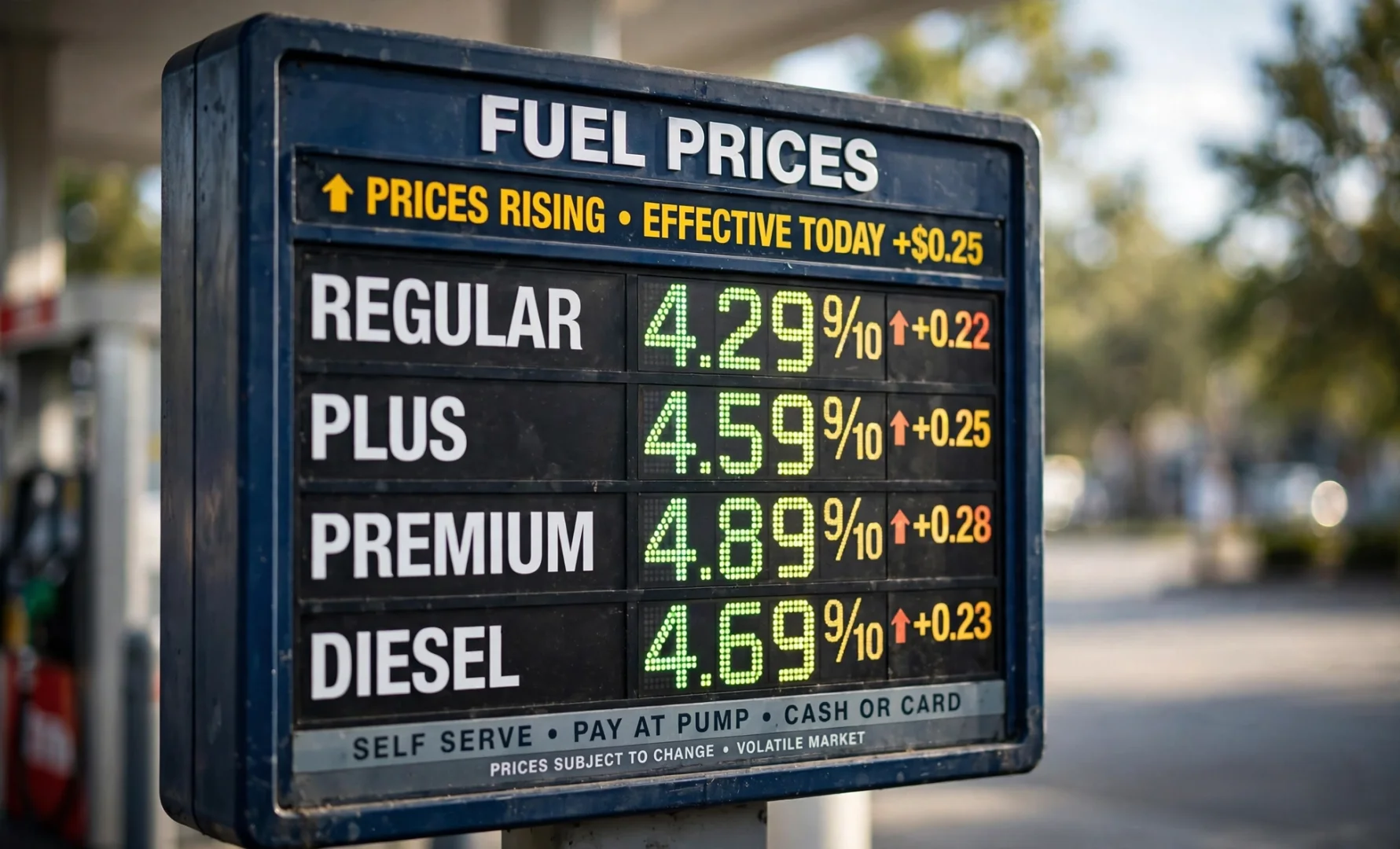
US gas prices have followed the same pattern. The national average, which sat around $2.93 a gallon before the war, climbed past $3.70 in the war's third week and is back up near $4 a gallon as of this week, according to AAA data cited in wire reports.
Shipping and Supply Chain Disruptions
With commercial traffic through the Strait of Hormuz still severely restricted, shipping costs and delays remain elevated. Vessels are increasingly rerouting around the region entirely, adding time and cost to global trade.
Investor and Market Reactions
Equity markets have shown more resilience than energy markets, with US stocks described as relatively steady in recent sessions even as the conflict continues, though volatility has picked up around each new escalation.
International Reactions
Responses from US Allies
Gulf states including Kuwait, Bahrain, Jordan, and Saudi Arabia have all reported intercepting Iranian attacks in recent days. The US has increased its fighter jet presence in the Middle East, and Israel has received additional US aerial refuelling aircraft.
United Nations and Diplomatic Statements
Tensions at the UN Security Council boiled over in April, when Russia and China vetoed a resolution — already watered down to try to win their support — meant to encourage international coordination to keep the Strait of Hormuz open. The vote came just hours after Trump threatened dramatic consequences if Iran didn't reopen the waterway, a threat he pulled back at the last minute in exchange for a two-week ceasefire.
Reactions from Russia and China
Both countries have consistently opposed measures seen as pressuring Iran, arguing that Security Council action on the strait has been unfairly one-sided. Iran has continued allowing Russian and Chinese-linked shipping through the strait even while restricting other traffic.
Middle Eastern Countries' Responses
Southeast Asian foreign ministers were expected to call for the reopening of the Strait of Hormuz during talks in Manila this week, reflecting how far the economic fallout has spread beyond the immediate region. Secretary of State Marco Rubio travelled to the Philippines for related ASEAN meetings even as the war intensified, and separately called the deaths of US troops in Jordan "heartbreaking."
Could the Conflict Escalate Further?
Risk of a Wider Regional War
With Iranian strikes now reaching Kuwait, Bahrain, and Jordan, and Houthi forces in Yemen issuing new warnings to Saudi shipping, the conflict is already spreading beyond a two-country fight. Each new front raises the odds that a broader regional war becomes harder to contain.
Possible Iranian Retaliation
Iran's Revolutionary Guard has signalled it may target additional oil and gas export routes tied to US interests, on top of its ongoing pressure on the Strait of Hormuz.
Future US Military Options
Trump has explicitly floated striking Iranian bridges and power plants — infrastructure targets well beyond the military sites hit so far — if Iran doesn't return to negotiations.
Chances of Diplomatic Resolution
Diplomacy hasn't stopped, even as the fighting has intensified. Qatar and Pakistan remain active as mediators, and Trump has said Washington is still open to talks despite declaring the ceasefire dead. Whether that translates into a durable deal is uncertain — the same basic dynamic (a ceasefire followed by renewed strikes) has now played out twice since April.
What This Means for the Middle East and the World
This war has already reshaped Gulf security dynamics, forced a new Iranian leadership under Mojtaba Khamenei following the February strikes that killed his predecessor, and pulled Jordan, Kuwait, Bahrain, and Yemen's Houthi movement into direct exchanges of fire. Every failed ceasefire has made the region more, not less, volatile, and the repeated collapses suggest neither side currently sees enough benefit in holding to an agreement.
For the world beyond the Middle East, the economic consequences are the most immediate concern. Energy security has become a live issue well outside the region, from fuel rationing in Vietnam to fresh calls from Southeast Asian governments to reopen the strait.
Latest Updates and What's Next
As of July 21, the US has completed its tenth straight night of strikes, and Iran has responded with attacks on Kuwaiti and Bahraini infrastructure and further threats against shipping in the Strait of Hormuz. Watch for whether Trump follows through on threats to strike Iranian bridges and power plants, whether Qatar and Pakistan's mediation produces another ceasefire attempt, and whether oil prices keep climbing if the strait remains effectively closed to normal traffic.
Conclusion
Nearly five months after the war began, the pattern is now familiar: strikes, a fragile truce, a trigger, and renewed fighting. The current round is Iran's harshest response yet, reaching further into the Gulf than earlier phases of the conflict, while Trump's rhetoric has hardened alongside it. Whether this stretch ends in another short-lived ceasefire or a genuine off-ramp will depend largely on what happens in the back-channel talks Qatar and Pakistan are still working to keep alive.
FAQs
Why did the US launch fresh strikes on Iran?
The US resumed strikes after Iran attacked three commercial ships in the Strait of Hormuz on July 6–7 for bypassing routes Tehran had set. Trump declared the existing ceasefire over and ordered renewed strikes, now in their tenth consecutive night.
What did Donald Trump mean by "better behave"?
Trump used the phrase while declining to set a deadline before potentially striking Iranian bridges, signalling that continued Iranian attacks would bring further US military action.
Which Iranian military sites were targeted?
US strikes have focused on command centres, air defence systems, missile and drone facilities, and coastal defence sites, including the port city of Bandar Abbas and areas near Chabahar, Rask, and Bushehr.
How has Iran responded to the attacks?
Iran has struck US and allied targets in Jordan, Kuwait, and Bahrain, damaged a Kuwaiti desalination plant and power stations, set fire to tankers in the Strait of Hormuz, and threatened to close additional oil and gas export routes.
Why is the Strait of Hormuz so important?
About 20% of the world's oil and gas trade passes through the strait. Restrictions there have caused what the International Energy Agency has called the largest supply disruption in the history of the global oil market.
How are the strikes affecting global oil prices?
Brent crude has swung sharply with each escalation, and US gas prices are back up near $4 a gallon nationally after dipping earlier in the ceasefire period.
Is the US preparing for a larger war with Iran?
The US has increased its fighter jet presence in the Middle East, and Trump has threatened to expand strikes to Iranian bridges and power plants if Tehran doesn't return to talks, though officials say diplomacy is continuing alongside the military pressure.
What are the chances of renewed peace talks?
Qatar and Pakistan remain active mediators, and Trump has said the US is willing to keep negotiating even after declaring the ceasefire over. A June memorandum of understanding aimed at ending the war within 60 days has already collapsed once, so any new deal would need to hold where prior ones haven't.
How are other countries reacting to the conflict?
Gulf states including Kuwait, Bahrain, Jordan, and Saudi Arabia have reported intercepting Iranian attacks. Russia and China have opposed UN measures seen as pressuring Iran, while Southeast Asian foreign ministers have pushed for the strait to reopen.
What could happen next in the US-Iran conflict?
Key things to watch: whether Trump expands strikes to Iranian infrastructure like bridges and power plants, whether mediators can produce a ceasefire that actually holds, and how much further oil prices and shipping disruptions spread if the Strait of Hormuz stays restricted.