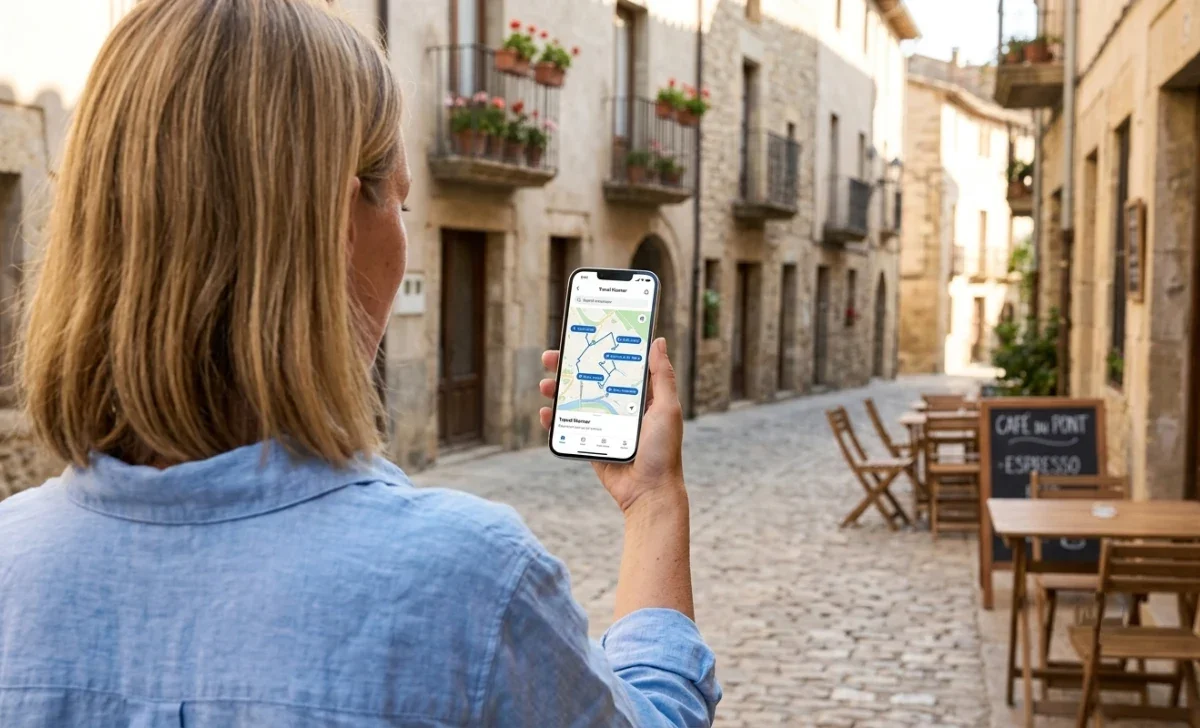
Let's be real for a second. Planning a trip used to be half the fun. Now? It can feel like a second job.
You've got ten tabs open, conflicting advice on every blog, and you're never quite sure if that "hidden gem" is actually a tourist trap.
That's exactly why I started testing all-in-one travel planning sites again this year. And HopTraveler.com kept coming up in conversations with fellow travelers who are tired of the noise.
So I spent a few weeks digging into what HopTraveler.com actually offers in 2026. Not the marketing fluff. Just the real, day-to-day experience of using it to plan an actual trip.
Here's what I found.
What HopTraveler.com Actually Does Well (From Someone Who Over-Plans Everything)
I'll admit it: I'm an over-planner. Spreadsheets, colour-coded maps, the whole thing. So my first question with any trip planner is always: does this save me time or just add more steps?
With HopTraveler.com, the answer surprised me.
The platform combines destination guides, sample itineraries, and a trip planning tool in one place. You're not bouncing between a blog and a spreadsheet and a map app. It's all right there.
In my experience, that integration is the real win. I planned a hypothetical week in Portugal using HopTraveler.com, and what normally takes me three evenings took about 90 minutes. The guides don't read like generic SEO lists—they actually mention things like which metro stations have annoying weekend closures and which coffee shops have reliable Wi-Fi. These little details matter more than you'd think.
Beyond Europe and North America, you can find guides for less-visited spots too. For example, if you're interested in more niche destinations like Finland boating experiences, you might start your research here before branching out to more specialised sites.
Where It Fits Best (And Where It Doesn't)
No tool is perfect for everyone. Here's my honest take on who gets the most out of HopTraveler.com:
- Solo travellers – The safety notes and budget breakdowns are actually useful, not scary.
- Couples who disagree on itinerary pace – You can see "relaxed" vs "packed" versions of the same route.
- First-time international travellers – The visa, tipping, and local SIM sections are genuinely helpful.
- Weekend trip planners – Fast, focused guides without the novel-length backstory.
On the flip side? If you're a hardcore budget backpacker who sleeps in hostels and hitchhikes, you might find the recommendations lean toward comfortable mid-range travel. Not luxury, but not shoestring budget either.
And that's okay. It's good to know what a tool is not trying to be.
The 2026 Updates That Actually Matter
A lot of "2026 reviews" just change the date and repost old info. But HopTraveler.com did roll out a few quiet updates this year that I actually appreciated:
- Offline-first mode – You can download entire city guides with maps. No frantic airport Wi-Fi searching.
- Real-time budget tracking – You plug in your spending, and it compares against local averages. Eye-opening, honestly.
- Crowd calendars – Predicts busy days for specific attractions, not just whole cities. Turns out Tuesday at 2 PM is the sweet spot for the Colosseum.
These aren't flashy features. They're the kind of useful, practical stuff that tells me the team actually travels and understands what real planners need.
One Realistic Downside (Because Nothing's Perfect)
I try to be fair in these reviews, so here's the main drawback I kept running into.
HopTraveler.com is strongest for Europe and North America. If you're planning a trip to rural Southeast Asia or South America, the coverage gets thinner. There are still guides, but the density of practical tips drops off.
In their defence, that's true for almost every travel planning site. But it's worth mentioning if your next trip is off the beaten path.
The good news? User-generated updates help fill some gaps. Locals and recent travellers can add notes, and I found those to be more reliable than the official guides in less-visited regions.
How This Affects Your Travel Over the Next Few Years
Here's something I don't see enough people talking about: the way we plan trips is changing.
Three to five years from now, I think most of us will either use one trusted planning hub (like HopTraveler.com) and stop hopping between 15 sites, or get overwhelmed and book a package tour. I'm not exaggerating. Travel information is becoming too abundant. Choice paralysis is real.
Platforms that simplify without dumbing down are going to win long-term. HopTraveler.com seems to understand that. They're not trying to be everything to everyone. They're trying to be enough. And for a growing number of travellers, that's exactly what they want in 2026.
If you want to explore other travel resources and planning tools beyond HopTraveler's ecosystem, sites like Snoopy Magazine also cover broader travel trends and destination guides that can complement your research.
Practical Next Steps If You Want to Try It
If you're curious, here's what I'd actually do:
- Start with one destination you already know. Test the guide against your real experience. You'll quickly see if you trust their tone and tips.
- Use the free version first. No need to commit. The free tier gives you enough to know if it clicks for you.
- Compare one itinerary against your usual method. Time yourself. Seriously. Seeing "90 minutes vs 3 hours" was what sold me.
- Check the user notes for recent travel dates. The official guides are solid. The recent traveller comments are often better.
You don't need to overhaul your whole planning process overnight. Just try it for one trip and see how it feels.
Final Thoughts: Would I Recommend HopTraveler.com in 2026?
Here's the simple truth: HopTraveler.com isn't magic. It won't make you a "better" traveller or find you a $10 flight. But it will take the exhaustion out of the planning phase—and for most of us, that's a huge win.
I've used clunky planners and overhyped apps. This one sits in a sweet spot. It's detailed but not overwhelming, opinionated but not pushy.
If you're tired of spreadsheet hell and just want to get back to the part where you actually enjoy planning your trip, give HopTraveler.com a shot.
And if you've already used it, I'm genuinely curious—did you find the same strengths? Or did you run into something I missed?
FAQs
Is HopTraveler.com free to use?
Yes, there's a free tier that includes basic guides and planning tools. The premium version adds offline access, budget tracking, and crowd calendars. You can test the free features before deciding if the paid extras are worth it for you.
How is HopTraveler.com different from other trip planners?
Most sites give you either a blog or a booking tool. HopTraveler.com combines guides, itineraries, and planning in one place. It's less about finding the cheapest flight and more about building a realistic trip you'll actually enjoy.
Can I trust the user-generated updates?
In my experience, yes—more than the official guides in some cases. Recent travellers tend to flag things like construction, closed entrances, or overrated restaurants. Just check the date of the update to make sure it's recent.
Does HopTraveler.com work for family travel?
It can, but it's not specifically designed for families. The itineraries don't always account for stroller-friendly routes or kid nap schedules. For solo or couple travel? Solid. For a family of four? You'll need to adjust the suggestions yourself.
Is my data safe with HopTraveler.com?
They use standard encryption for accounts and payments. No major breaches reported as of 2026. Like any site, don't reuse passwords and you'll be fine.