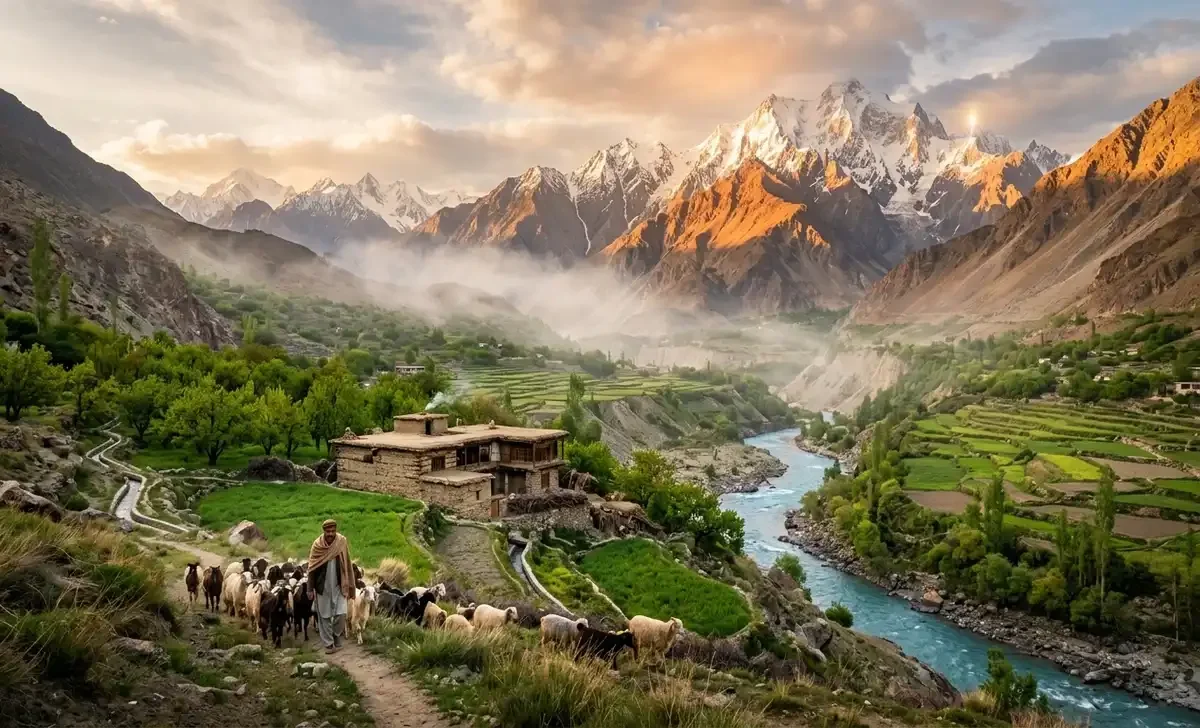
Most visitors to northern Pakistan head for Hunza or Skardu. A smaller number turn off the main road and keep going, until the villages thin out and the mountains feel very close. That road leads to Ishkoman Valley.
Ishkoman Valley Pakistan is not a place of big hotels or crowded viewpoints. It is a place of stone houses, apricot trees, shepherd paths and old stories. In some homes, those stories are more than stories. Local folklore speaks of mountain fairies, and some people still seek guidance from them through traditional spiritual practitioners.
This guide explains where the valley is, how to reach it, what to see, and how to travel there with care.
Discovering Ishkoman Valley, One of Pakistan's Remote Mountain Regions
Where Is Ishkoman Valley Located?
Ishkoman Valley lies in Ghizer District, in Gilgit-Baltistan, in Pakistan's far north. It sits west of Gilgit city. The main village and gateway is Chatorkhand, where the valley road meets the route running between Gilgit and Chitral.
The region borders high country that leads toward the Hindu Kush and Karakoram ranges. That is why it feels cut off even though Gilgit is only a few hours away.
The Mountains, Rivers and Villages That Define the Valley
The valley follows a river fed by glaciers and snowmelt. Small villages sit on flat terraces above the water, each with fields, orchards and footpaths. Higher up, summer pastures open into meadows where families once took their animals each year.
Nothing here is staged for visitors. Farming, walking and weather set the pace.
The Journey to Ishkoman Valley
Travelling from Islamabad to Gilgit
Most travellers start in Islamabad. You can go by road along the Karakoram Highway, one of the world's highest paved roads. The drive is long, often a full day or more with stops, so many people break it up with an overnight stay.
Flights between Islamabad and Gilgit also exist, but mountain weather often delays or cancels them. If you fly, keep extra days in your plan.
Following the Karakoram Highway to Chatorkhand
From Gilgit, you leave the main highway and take the road toward Ghizer, then continue to Chatorkhand and into the valley. Allow several hours, and more if the road is under repair. Landslides and washouts can happen, especially after heavy rain.
Check road conditions in Gilgit before you set out. Local drivers and hotel staff usually know the latest.
What Makes the Journey Special?
The route changes with every hour. Dry canyon walls give way to green terraces. Snow peaks appear and vanish behind bends. Even the drive feels like part of the trip.
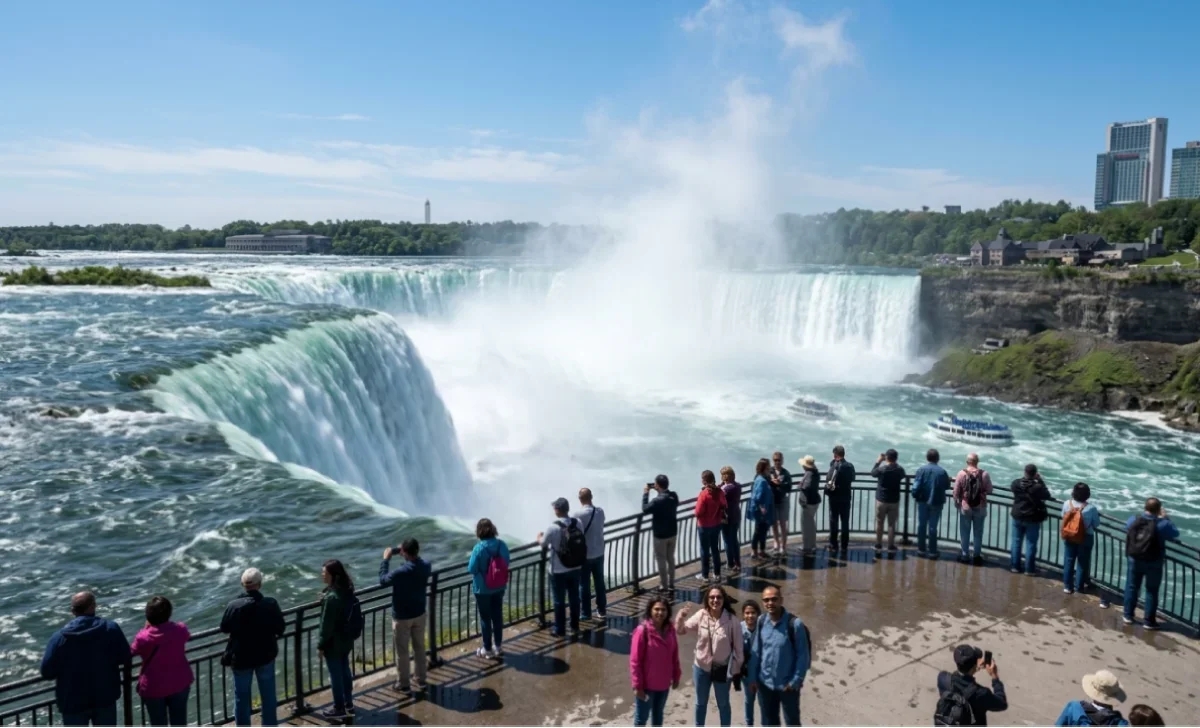
If you like planning long trips with good scenery, it can help to see how other places handle a big natural attraction. A guide to a Toronto Niagara Falls tour shows a very different kind of waterfall trip, with organised transport and crowds. Ishkoman offers the opposite: quiet paths and few other visitors.
Staying at Coyote Den, a Mountain Hideaway
Coyote Den is a guesthouse in the valley that appears in travel features about Ishkoman. Details such as rooms, prices and services can change, so contact the property directly before you go and confirm what is offered.
Traditional Architecture and Pakistani Hospitality
Homes in this part of Gilgit-Baltistan are often built with stone and timber, with thick walls that hold warmth through cold nights. Guests are usually welcomed with tea, bread, dried fruit and a seat near the fire or the sun. Hospitality here is not a service. It is part of how people live.
Slow Living, Sheep Walks and Mountain Scenery
Days in the valley are easy to fill without a schedule. You can walk a village lane, follow a flock to a meadow, sit by a stream or watch light move across a ridge. The point of staying is to slow down.
Experiencing Life Away from the Modern World
Phone signal and electricity can be limited. That can feel strange for a day and then become the best part. Bring a book, download maps in advance, and leave space in your plan for rest.
The Woman Who Consults Mountain Fairies
Reports about the valley describe a woman who consults mountain fairies. This is a spiritual practice rooted in local tradition. It is not a performance, and it deserves respect rather than mockery.
Who Are the Peris in Local Folklore?
In the folklore of the Hindu Kush and Karakoram, peris are fairy-like beings said to live in high, remote places such as glaciers, peaks and pastures. Stories describe them as beautiful and powerful. Some are kind, and some are dangerous if they are disrespected.
Names, details and beliefs differ between villages and language groups, so there is no single version of the story.
How Traditional Spiritual Consultations Take Place
In many mountain communities, a trusted person acts as a go-between. People may bring questions about illness, family worries or hard times, and the practitioner seeks answers through ritual, music or trance-like states. Details vary, and they are often private.
If you are curious, ask your host politely whether a meeting is appropriate. Do not expect one, and do not treat it as entertainment. Never record or photograph without clear permission.
The Relationship Between Ancient Beliefs and Modern Religious Life
Most people in the valley practise Islam, and many Pakistanis see old customs and faith as separate things. Some families blend them quietly, while others reject the older practices. Both views exist, and both are part of the valley's story.
Listen more than you speak. Sensitive subjects are easier to learn about when you let people share at their own pace.
Inside the Culture and Traditions of Ishkoman Valley
Local Languages and Community Life
The valley is home to several communities and languages. Wakhi, Khowar and Burushaski are among the languages spoken in this part of Gilgit-Baltistan, and Urdu is widely understood. Learning a few greetings in Urdu goes a long way.
Life is built around family, shared work and seasonal rhythms such as planting, harvest and moving livestock.
Traditional Music, Dance and Gatherings
Music and dance mark weddings, festivals and village gatherings in the region. If you are invited, accept with thanks and follow your hosts' lead. Ask before filming.
Women's Roles and Changing Opportunities
Women in the valley work in fields, homes and increasingly in schools, clinics and small businesses. Opportunities are growing, though access varies from village to village. As a visitor, dress modestly and ask before taking photos of women or children.
Best Things to Do in Ishkoman Valley
Trekking to Dain Waterfall
Dain Waterfall is among the best-known short walks near the valley. Water drops from the hills in a long white stream. Wear shoes with good grip, since rocks near the base are slippery.
Waterfalls draw people all over the world, from remote ones like this to famous ones near big cities. If you enjoy comparing travel styles, you may like a look at Park Colonia, a very different kind of destination from a quiet mountain valley.
Exploring Hayol Meadows and Nearby Villages
The meadows and villages around Hayol give you a good sense of valley life. Expect farms, stone walls, wooden bridges and wide views. A local guide can point out paths and explain what you are seeing.
Discovering Mountain Trails and Local Landscapes
Not every walk needs a name. Simple trails between villages are often the best, because you meet people along the way. Start early, carry water and tell your hosts where you are going.
Experiencing Local Hospitality and Rural Life
Sit down for tea. Visit an orchard. Ask how bread is baked or how winter food is stored. Small conversations often become the most vivid memories of a trip.
Trekking Adventures Around Ishkoman Valley
The Naltar–Ishkoman Route and Pakora Pass
One well-known multi-day trek links Naltar Valley with Ishkoman by way of Pakora Pass. It crosses high terrain with glaciers and steep sections, so it suits experienced trekkers. Plan with a guide and check current route conditions.
Exploring Routes Towards Karambar Lake
Karambar Lake sits at high altitude in the mountains beyond the valley, and getting there takes serious planning. Some travellers approach from other directions, including Chitral. If this lake is on your list, confirm the best route, season and permits with an experienced local operator.
Important Trekking and Safety Considerations
High-altitude trips carry real risk. Keep these points in mind:
- Hire a local guide for anything beyond short day walks.
- Allow time to adjust to altitude, and turn back if you feel unwell.
- Carry a first-aid kit, extra food and warm layers.
- Check weather and trail conditions before every leg.
- Confirm current permit and travel rules for the area. Requirements can change, especially for foreign visitors.
Best Time to Visit Ishkoman Valley, Pakistan
Spring and Summer Travel
Late spring and summer, roughly May to September, are the easiest months for travel. Roads are more open, fields are green and high pastures come alive. Higher passes usually need late summer for safer conditions.
Autumn Colours and Winter Conditions
Autumn brings golden trees and cool, clear air, which many people find the prettiest season. Winter is cold and snowy. Roads may close, services slow down, and trekking becomes difficult. If you travel then, expect delays.
Essential Travel Tips for Visiting Ishkoman Valley
How to Reach the Valley and Get Around
Fly or drive to Gilgit, then continue by road to Chatorkhand and into the valley. Hiring a driver or arranging a transfer through your guesthouse is usually the easiest option. Local transport can be limited, so plan around it.
Accommodation and Local Guides
Options are mostly small guesthouses and homestays. Book ahead in peak summer, and ask about meals, heating and water. For guides, ask your host or a Gilgit travel agency for trusted names rather than hiring a stranger on the road.
Planning a long trip often means mixing quiet places with city stops. A stopover somewhere like Culver City, CA shows how different the pace can be after a week in the mountains.
What to Pack for a Remote Mountain Trip
- Layers, a warm jacket and a rain shell
- Sturdy walking shoes
- A power bank and offline maps
- Sun protection and a refillable bottle
- Any personal medicine, plus basic first aid
- Modest clothing that covers shoulders and knees
- Cash, since cards and ATMs may not work
Respecting Local Customs and Traditions
Ask before photographing people or homes. Dress modestly. Avoid public displays of affection and alcohol. Treat spiritual practices with courtesy, even if you do not share the belief. Pay fairly for guides, food and lodging.
Conclusion
Ishkoman Valley rewards people who travel slowly and listen well. It offers mountain views, warm hospitality and stories that still shape daily life. It is not a place to rush through.
Your next step is simple: pick a season, check current road and permit information, and contact a local host before you go.
Frequently Asked Questions
Where Is Ishkoman Valley in Pakistan?
It is in Ghizer District, Gilgit-Baltistan, west of Gilgit city. The gateway village is Chatorkhand.
What Is Ishkoman Valley Famous For?
It is known for its quiet mountain scenery, traditional village life, treks such as the Naltar–Ishkoman route, and local folklore about mountain fairies.
Why Do Some People Consult Fairies in Ishkoman Valley?
In local tradition, peris are believed to live in the high mountains. Some people turn to a trusted practitioner to seek guidance on health, family or life problems. Practices and views differ between communities.
What Is the Best Time to Visit Ishkoman Valley?
May to September is the most practical period. Autumn is lovely for colour, while winter can bring snow and road closures.
How Can Travellers Reach Ishkoman Valley from Gilgit?
Travel by road toward Ghizer and on to Chatorkhand, then into the valley. Hire a driver or arrange transport through your guesthouse. Check road conditions first.
Is Ishkoman Valley Suitable for Trekking?
Yes, with the right preparation. Short walks suit most fit travellers. Longer routes such as Pakora Pass need experience, a guide and good planning.