You check your bank account at the end of the month and feel that familiar knot in your stomach. The numbers don't add up — again. You didn't go on a shopping spree. You didn't make any big purchases. So where did all the money go?
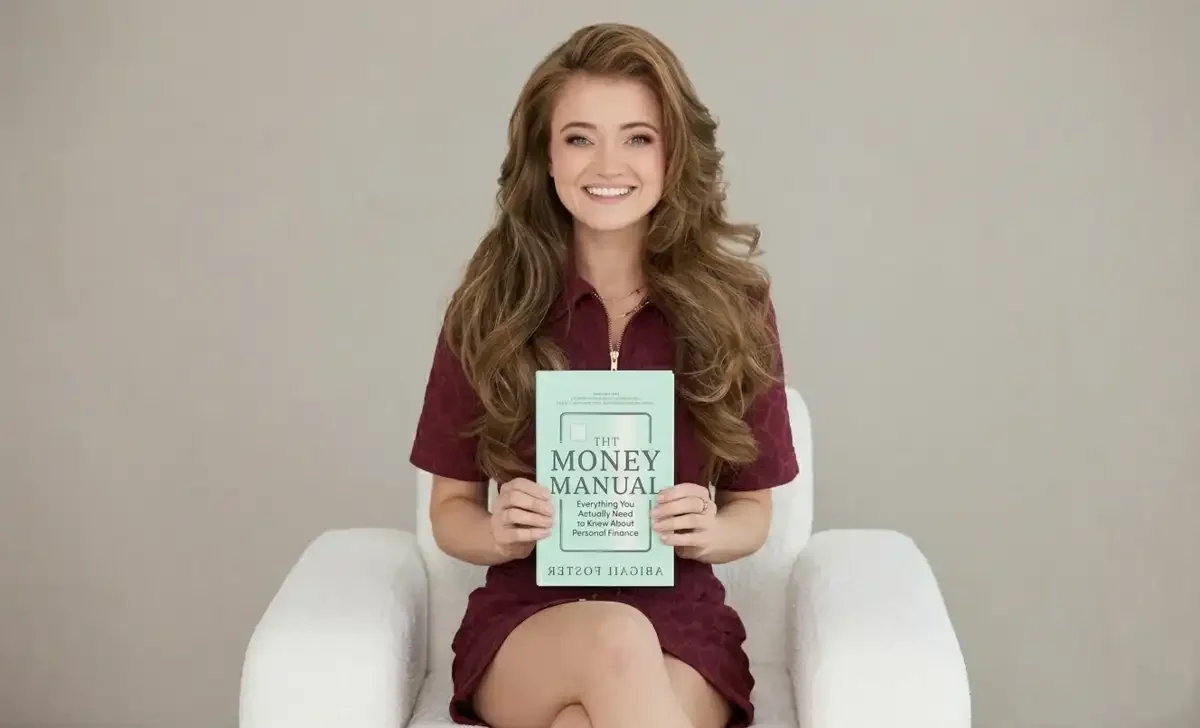
If you keep overspending despite your best intentions, you're not alone. And according to financial psychologist and behavioural spending expert Abigail Foster, you're probably not the problem — your patterns are.
Foster has spent years studying the psychological mechanics behind why smart, capable people consistently spend more than they plan to. Her findings are surprisingly relatable — and genuinely eye-opening.
In this article, we break down the key reasons why you keep overspending according to Abigail Foster, along with the practical steps she recommends to start changing those patterns today.
Emotional Spending Is Running the Show
According to Abigail Foster, the single biggest driver of overspending is emotion — not math. Most people overspend when they're stressed, bored, anxious, or even happy. Shopping becomes a coping mechanism, a reward system, or a way to mark life's milestones.
The problem is that the relief from buying something is real — but it's short-lived. Within hours, the item loses its emotional charge, and the underlying feeling returns. So you spend again.
Foster calls this the "emotional debt loop." You're not spending money you don't have — you're spending emotional energy you haven't processed.
What to do:
- Before buying anything non-essential, pause and ask: What am I feeling right now?
- Keep a simple spending journal that tracks not just what you bought, but how you felt at the time
- Identify your top three emotional spending triggers (stress, boredom, social pressure)
Your Brain Is Wired for Instant Gratification
This one isn't a character flaw — it's biology. The human brain is designed to prioritise immediate rewards over future gains. Foster points to decades of behavioural research showing that we consistently undervalue future money compared to money we can spend today.
When you see something you want, your brain releases dopamine in anticipation of the purchase — not just after. That's why browsing online shops can feel as satisfying as actually buying. Your brain has already taken the reward.
This wiring made sense for our ancestors, who needed to act fast when resources appeared. But in a world of one-click shopping and endless product feeds, it works against you.
What to do:
- Use a 48-hour rule for non-essential purchases over a set amount (Foster suggests £30–£50 as a starting point)
- Remove saved payment details from online retailers to create friction at checkout
- Remind yourself that the dopamine hit will fade — it's the anticipation your brain loves, not the item itself
Social Comparison Is Quietly Draining You
Foster's research puts heavy emphasis on the role of social comparison in financial behaviour. Whether it's a neighbour's new car, a colleague's holiday photos, or a lifestyle influencer on Instagram, we're constantly measuring ourselves against others' visible consumption.
The problem is that social media shows us curated highlights — not debt statements. You're comparing your behind-the-scenes to everyone else's highlight reel, and spending to close a gap that doesn't really exist.
This connects to broader questions about whether material acquisition actually creates fulfilment. Research increasingly suggests it doesn't — and this piece on fulfilment beyond material achievement explores exactly why the things we chase rarely satisfy us the way we expect.
What to do:
- Audit who you follow on social media and unfollow accounts that consistently make you feel financially inadequate
- Reframe your financial goals around your life priorities, not a lifestyle you've seen online
- Practice "comparison detox" — one week off social media to reset your baseline
You're Using Shopping to Fill a Non-Financial Void
This might be the most honest thing Abigail Foster says: overspending is often a symptom, not a problem. The actual issue might be loneliness, lack of purpose, unfulfilling work, or a sense that your life doesn't reflect your values.
Shopping gives a momentary sense of agency and control. You made a decision. Something new arrived. Your environment changed. But none of that addresses the deeper dissatisfaction.
Foster encourages her clients to ask a harder question: If I couldn't shop for six months, what would I have to face?
The answer, she says, usually points to the real work that needs doing — and it rarely involves a credit card.
What to do:
- Identify areas of your life that feel empty or stagnant
- Replace spending habits with activities that build genuine fulfilment: community, creativity, movement, learning
- Consider speaking to a therapist or counsellor if emotional spending feels compulsive
You Don't Have a Realistic Budget — You Have a Wish List
Most budgets fail because they're aspirational, not honest. You write down what you want to spend, not what you actually spend. Foster has found that the average person underestimates their monthly discretionary spending by 30–40%.
An unrealistic budget doesn't make you more disciplined — it just makes you feel more guilty when you break it. And guilt, ironically, often leads to more spending as a form of emotional relief.
What to do:
- Track all spending for one full month before creating a budget — use an app or a spreadsheet, whatever you'll actually use
- Build your budget from real data, not optimistic intentions
- Include a "miscellaneous" buffer of 10–15% to account for the unexpected purchases you always forget to plan for
Small Purchases Are Stealing Your Future
You probably wouldn't spend £500 on something impulsively — but you might spend £5 without thinking, dozens of times a week. Foster calls this "micro-spending blindness," and it's one of the most underestimated drains on personal finances.
The maths is stark. Five pounds a day on coffees, snacks, and digital impulses adds up to £1,825 a year. Over a decade, with even modest investment returns, that's a significant missed opportunity.
The issue isn't that small purchases are inherently bad — it's that they're largely unconscious. You don't decide to buy them so much as drift into buying them.
What to do:
- Review your last 30 days of bank transactions and highlight every sub-£10 purchase
- Identify your "money leaks" — the recurring small spends you barely notice
- Put a few of them on a one-month trial "ban" and notice how little you miss them
You're Confusing Price with Value
Foster makes a clear distinction between price (what something costs) and value (what it's worth to your life). Many overspenders confuse the two — especially when something is "on sale."
A discounted item you don't need is still a waste of money. Spending more on something you'll use daily for years might be a sensible decision. The question isn't "is this a good deal?" — it's "does this genuinely improve my life relative to its cost?"
What to do:
- Before buying, calculate the cost-per-use: price ÷ estimated number of uses
- Ask: Would I buy this at full price? If not, a sale shouldn't change that
- Build a mental model of what "high value" looks like for you personally — and use it as a filter
Retail Marketing Is Designed to Override Your Logic
This is one of Foster's bluntest points: the retail and marketing industry employs entire teams of psychologists, data scientists, and UX designers whose sole job is to get you to spend more than you planned.
From colour psychology to artificial scarcity ("Only 3 left!") to personalised ads that follow you across the internet — these aren't accidents. They're deliberate systems. Understanding this shifts the framing: you're not weak-willed, you're up against a sophisticated machine.
Interestingly, the most effective innovations in consumer manipulation don't always involve new technology — sometimes innovation without technology produces the most powerful behavioural nudges, which is exactly what smart retailers exploit through layout, language, and timing.
What to do:
- Shop with a list and a strict "list only" rule
- Avoid browsing online stores without a specific purchase goal
- Use browser extensions that block ads and retargeting cookies
- Recognise urgency and scarcity cues for what they are: manipulation tactics
You Have No "Friction" Before You Buy
Modern commerce has systematically removed every barrier between you and a purchase. One-click buying, saved cards, instant digital delivery, buy-now-pay-later options — all of it is designed to make spending as effortless as possible.
Foster argues that friction is your friend. When there's a small pause before a purchase, the rational part of your brain has a chance to engage. Without friction, you're operating entirely on impulse.
What to do:
- Delete saved payment methods from all online retailers
- Remove shopping apps from your phone's home screen
- For larger purchases, require yourself to sleep on it — literally
- Set up a dedicated savings account that takes 2–3 days to transfer from (the delay is intentional)
Shame About Money Keeps the Cycle Going
The final — and perhaps most powerful — insight from Abigail Foster is about financial shame. Most people feel deep embarrassment about their spending habits. They hide bank statements, avoid checking their balance, and don't talk about money with anyone.
But shame drives avoidance, and avoidance makes the problem worse. You can't fix what you won't look at. And the secrecy around money prevents you from getting support, learning from others, or simply understanding your own patterns.
Foster emphasises that overspending is rarely a sign of bad character. It's usually a sign of unaddressed emotional needs, poor financial education, and powerful commercial systems working against you.
What to do:
- Commit to checking your bank balance every single day — familiarity reduces anxiety
- Find one trusted person (a partner, friend, or financial coach) you can talk honestly with about money
- Treat money management as a skill to learn, not a moral test to pass
Expert Tips to Break the Overspending Cycle
Based on Foster's framework, here are the highest-impact actions you can take right now:
- Automate your savings first. Pay yourself before you have the chance to spend. Even a small automatic transfer on payday changes your relationship with money.
- Create a "values budget." Instead of restricting spending, allocate money deliberately to the things that genuinely matter to you. When your spending reflects your values, you feel less deprived.
- Use cash for discretionary spending. Physical money feels more real than tapping a card. The tactile experience of handing over cash creates natural friction.
- Schedule a monthly "money date" with yourself. Set aside 30 minutes each month to review your spending without judgment. Awareness is the foundation of change.
- Reframe your financial identity. Stop telling yourself, "I'm bad with money." Instead, try "I'm learning to manage money better." Identity-based language drives behaviour more effectively than willpower alone.
Common Mistakes to Avoid
Even with the best intentions, people trying to curb overspending often fall into these traps:
Trying to cut everything at once. Overhauling your entire financial life overnight leads to burnout and relapse. Start with one or two changes and build from there.
Treating budgeting as punishment. A budget should feel like a plan for your life, not a jail cell. If it only tells you what you can't do, redesign it.
Ignoring the emotional dimension. Most financial advice focuses on numbers. Foster's point is that the emotional work matters just as much — often more.
Comparing your progress to others. Your financial journey is unique to your income, history, and circumstances. Other people's timelines are irrelevant.
Giving up after a bad month. One overspending month doesn't erase your progress. The goal isn't perfection — it's a gradually improving trend over time.
Conclusion
Understanding why you keep overspending, according to Abigail Foster, is the first real step toward changing it. The reasons are rarely simple — they're emotional, psychological, social, and systemic all at once.
But here's what makes Foster's perspective genuinely useful: she doesn't frame overspending as a moral failing. It's a pattern. And patterns can be changed.
You don't need more willpower. You need better systems, more self-awareness, and a bit of compassion for the version of yourself that learned to spend this way in the first place.
Start with one thing from this list. Track your spending for a month. Identify your emotional triggers. Create a little more friction before your next impulse buy. The changes are smaller than you think — and the results, compounded over time, are bigger than you can imagine.
FAQs
Why do I keep overspending even when I know I shouldn't?
Knowing and doing are controlled by different parts of the brain. Overspending is largely driven by emotion and habit — not logical decision-making. Understanding your specific triggers (stress, boredom, social pressure) is the first step toward changing the behaviour.
Is overspending a mental health issue?
It can be linked to mental health conditions like anxiety, depression, or ADHD, all of which affect impulse control and emotional regulation. If overspending feels compulsive or is causing significant distress, it's worth speaking to a mental health professional alongside addressing the financial side.
How long does it take to break overspending habits?
Research suggests that meaningful behavioural change takes anywhere from 60 to 90 days of consistent practice. Don't expect results in a week — but do expect small improvements within the first month if you're actively working on it.
Can budgeting apps actually help with overspending?
Yes, but only if you engage with them consistently. The tracking itself is what creates awareness — the app is just a tool. The most effective apps are ones that categorise spending automatically and send you regular summaries you'll actually read.
What's the difference between overspending and a spending addiction?
Overspending is common and largely driven by habits and environment. A spending addiction (sometimes called compulsive buying disorder) involves a loss of control, significant distress, and an inability to stop despite negative consequences. If you identify with the latter, professional support is strongly recommended.