Generative AI is changing creative jobs, but it is not eliminating them wholesale. Tools like image generators, AI copywriters, and music composers are shifting how creative work gets done, not always who does it. Creatives who learn to work alongside these tools are finding new opportunities while those who ignore the shift risk being left behind. The key is understanding where AI adds speed and where human judgment, taste, and originality still win.
A graphic designer spends three hours on a concept that an AI tool produces in 30 seconds. A copywriter watches a client generate five ad variations before breakfast. These are not hypothetical scenarios. They are happening in agencies, studios, and freelance businesses right now.
Generative AI and creative jobs are colliding in ways that nobody predicted five years ago. Some roles are shrinking. Others are growing. Many are just changing shape. This article breaks down exactly which creative jobs are being affected, how, and what you can do about it if your livelihood depends on making things.
1. Content Writing and Copywriting
This is the area where AI tools have moved fastest. Platforms like ChatGPT, Claude, and Jasper can produce blog posts, product descriptions, and social captions in seconds. For high-volume, low-complexity writing, this has already cut demand for junior copywriters.
But quality still matters. AI tools generate text that is often accurate and readable. It is rarely surprising, specific, or deeply researched. Brands that rely entirely on AI copy tend to sound the same. Writers who can bring original angles, real reporting, and a distinct voice are still in demand.
The shift is toward editing, prompting, and strategy. Many content teams now hire writers who can manage AI output rather than produce everything from scratch. That is a real skill change, not just a job title change.
2. Graphic Design and Visual Art
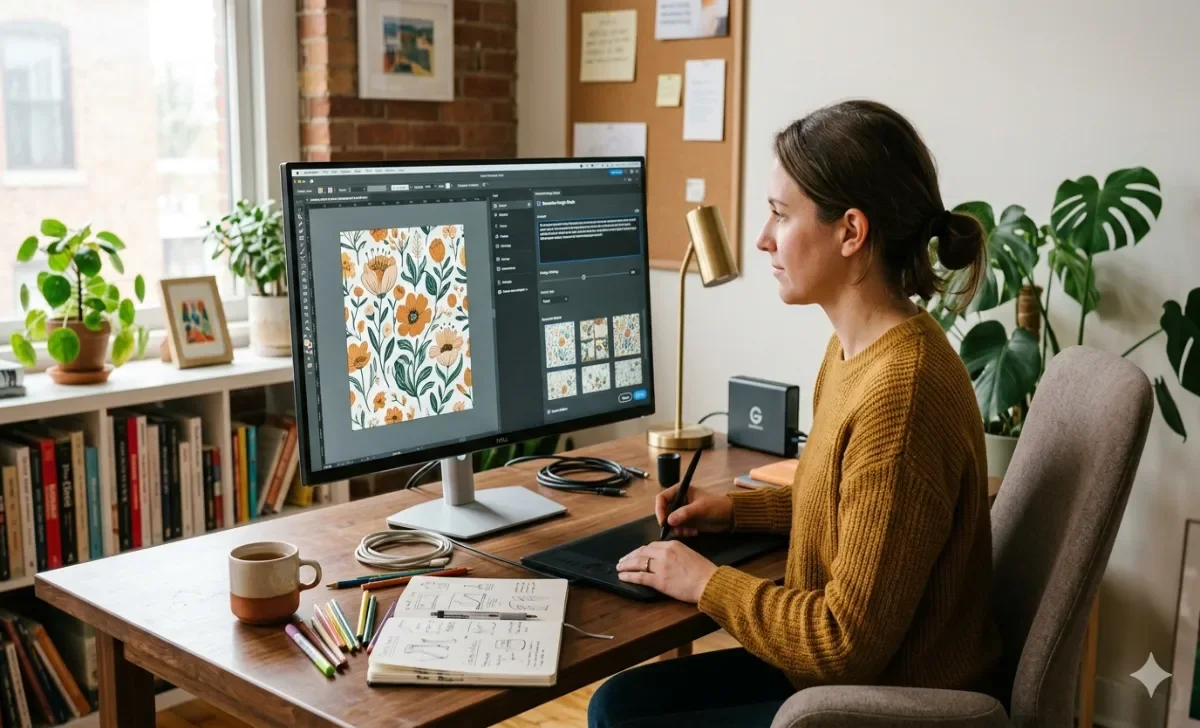
AI image generators like Midjourney, DALL-E, and Adobe Firefly have made it possible for non-designers to produce usable visuals quickly. This has affected stock illustration, basic logo work, and social media graphics most directly.
Senior designers, however, are not disappearing. Brand identity, complex layout, user experience design, and art direction all require judgment that AI tools cannot replicate reliably. A client can generate a hundred images and still not know which one actually works for their audience.
What is changing is the expectation around speed and volume. Designers who can use AI to prototype faster and then apply their expertise to refine the output are more competitive than ever. Those who resist the tools entirely are losing ground on turnaround time.
3. Music and Audio Production
AI music tools can generate background scores, royalty-free tracks, and even full song demos in minutes. For corporate video, podcast intros, and in-app audio, this has reduced spending on session musicians and entry-level composers.
Platforms delivering audio for entertainment and streaming contexts, including newer formats like in-car streaming, are seeing a rise in AI-generated content filling background and ambient slots. That is real displacement for certain producers.
At the higher end, original music with emotional specificity, cultural context, and artistic intent still needs human composers. Sync licensing for major placements, artist projects, and scored film work remain largely human-led. The middle tier, production music for mid-budget projects, is where the squeeze is most visible.
4. Video Production and Editing
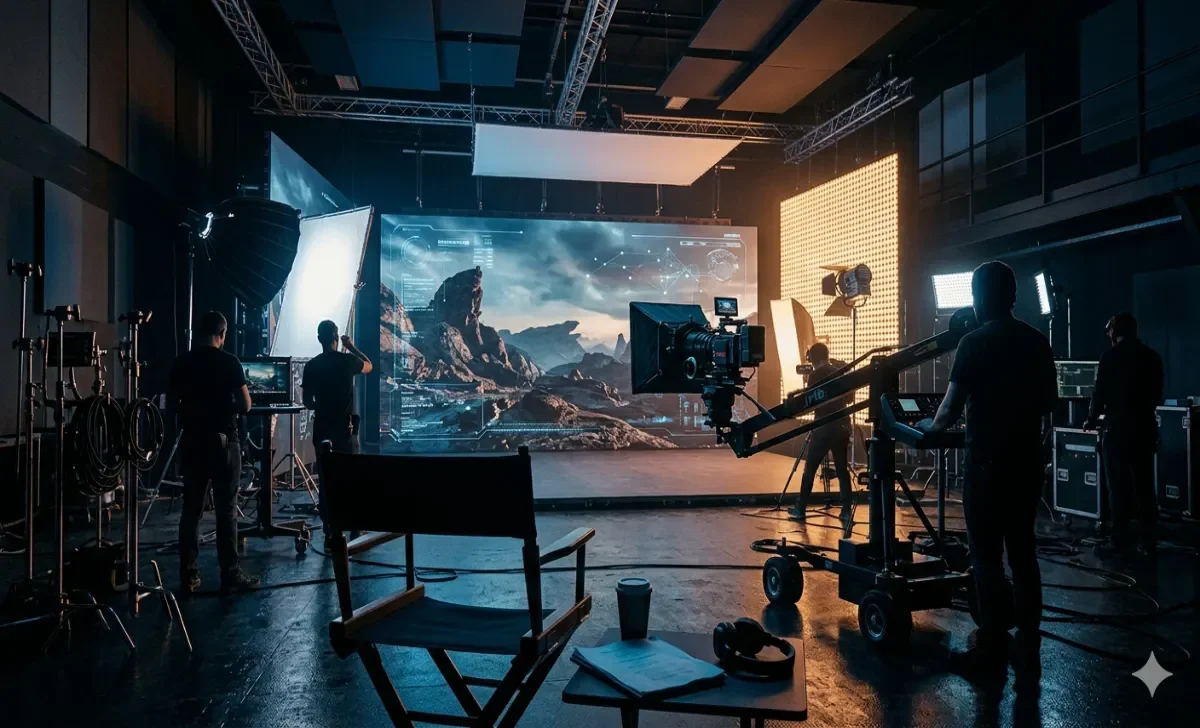
AI video tools have improved dramatically. Auto-editing, captioning, color grading suggestions, and script-to-video generation are all mainstream now. For social content, internal communications, and training videos, production timelines have collapsed.
This is affecting editors and producers at the lower end of the market. Simple talking-head videos, explainers, and highlight reels can now be assembled by someone with no editing background using AI tools. That work used to require a professional.
High-end production still requires cinematography skill, creative direction, and post-production expertise that AI cannot fully replicate. Events with massive creative and production value, like the kind of broadcast work behind the Super Bowl LX in 2026, continue to demand serious human teams at every level. Scale and spectacle still need people.
5. Advertising and Marketing Creative
Advertising was one of the first industries to adopt generative AI at scale. Campaign ideation, copy variations for A/B testing, and personalized ad creative are now regularly produced with AI assistance. This has accelerated output and lowered costs for brands with tight budgets.
For creative directors and strategists, the job has changed rather than disappeared. You need to brief AI tools well, curate the output, and connect ideas to real audience insight. The creative thinking that makes a campaign land is still human work.
Junior creatives entering the industry face a tighter market for execution work. The path forward is building strategic and conceptual skills early, not just craft skills.
6. Photography and Image Creation
Stock photography took a direct hit. AI-generated images now fill many use cases that previously required licensed photographs. Shutterstock, Getty, and Adobe Stock have all seen licensing volume shift in certain categories.
For commercial and editorial photographers, the picture is more complex. Authenticity matters more than ever in brand photography. Consumers are getting better at spotting AI-generated imagery, and some brands are actively positioning around real photography as a differentiator.
Photojournalism and documentary photography remain human-led by necessity and ethics. Wedding and portrait photography depend on presence and relationship, which no AI tool can replace. The threat is real in commoditized stock, not across the full profession.
7. Game Design and Interactive Media
AI tools are speeding up game asset creation, including environments, textures, and character variations. For indie developers and small studios, this has been a genuine advantage. It reduces the cost of producing a polished game world.
Narrative design, creative direction, and the systems thinking behind compelling gameplay remain hard to automate. Players respond to games with distinctive creative vision. That vision still comes from people.
The PGA's approach to technology and innovation offers a useful parallel. Sports organizations using new technology to improve fan experience still rely on human creativity to shape what that experience feels like. The technology enables; the people decide what matters.
8. Journalism and Editorial Work
AI tools can summarize, translate, aggregate, and produce first drafts quickly. For routine reporting on earnings calls, sports scores, and weather updates, automated content is already common.
Original reporting, investigative work, and analysis that requires source relationships and editorial judgment cannot be automated. What is changing is the expectation that journalists will use AI tools for research and drafting, then add the value that only a person can provide.
The danger is not AI replacing journalists outright. It is news organizations using AI to cut headcount in roles that were previously considered safe because they required writing skill. The pressure is on anyone doing templated or aggregated content.
Expert Tips for Creative Professionals
If you work in a creative field, these practices are worth building now.
- Learn to prompt well. Getting useful output from AI tools is a skill. Practice it.
- Specialize in creative judgment. Curation, direction, and taste are harder to automate than execution.
- Build a portfolio that shows original thinking, not just finished work.
- Develop client relationships based on trust and understanding, not just deliverables.
- Stay current on which tools are being adopted in your specific field.
Common Mistakes to Avoid
Creatives often make predictable errors when responding to AI disruption.
Ignoring the tools entirely is the most common one. Refusing to engage with AI does not make you more valuable; it makes you slower and more expensive.
Over-relying on AI output without adding your own perspective is equally damaging. Work that looks AI-generated without a distinctive human layer is easy to spot and hard to sell at premium rates.
Assuming your specific niche is safe without evidence is risky. The pace of change is uneven but fast. Check what is actually happening in your market rather than assuming you are protected.
FAQs
Will generative AI replace creative jobs entirely?
No. It will replace specific tasks within creative roles and reduce demand for certain types of work. Jobs requiring original thinking, strategic judgment, and human connection are more durable.
Which creative jobs are most at risk from AI?
Entry-level content writing, stock illustration, basic graphic design, production music, and templated video editing face the most direct pressure in 2026.
Can creatives use AI to become more competitive?
Yes. Creatives who use AI to speed up low-value tasks and redirect that time toward higher-level work are winning more projects and working more efficiently.
Is AI-generated content penalized by Google?
Google's guidance focuses on content quality and helpfulness, not how it was produced. Thin, unhelpful AI content ranks poorly. Well-researched, useful content written with AI assistance is treated the same as human-written work.
How should creatives price their work if AI is available?
Price on the value of your judgment, relationships, and results rather than hours spent on execution. Clients who only want cheap output will find it. Clients who want quality and accountability will pay for a professional.